You Won’t Believe What I Found at Teotihuacan – A Real Traveler’s Journey
Standing at the base of the Pyramid of the Sun, I felt it—this electric silence, like the stones themselves were breathing history. Teotihuacan isn’t just ruins; it’s a pulse, a rhythm from another time. You don’t visit it—you feel it. I came for the views, but stayed for the mystery. This guide shares exactly what makes Teotihuacan’s scenic spots unforgettable, from sunrise climbs to hidden corners most tourists miss. Let’s walk through ancient streets and discover why this place still whispers secrets.
Arriving at Teotihuacan: First Impressions and Practical Tips
Traveling from Mexico City to Teotihuacan is both convenient and scenic, offering a gradual transition from modern urban life to the quiet grandeur of an ancient world. Most visitors choose to take a bus from Terminal del Norte, where regular departures run throughout the morning. The journey takes about 45 minutes to an hour, depending on traffic, and drops travelers just outside the archaeological zone. Private car rentals and guided tours are also widely available for those seeking comfort or deeper context. Upon arrival, the entrance plaza welcomes guests with informational kiosks, restrooms, and vendors selling water, snacks, and handcrafted souvenirs made by local artisans.
As of the most recent visitor guidelines, the site opens daily from 9:00 AM to 5:00 PM, with the last entry at 4:00 PM. While these hours accommodate most travelers, arriving early—ideally by 8:00 AM—ensures cooler temperatures and fewer crowds. The entrance fee for international visitors is modest, typically around 90 pesos, with additional charges sometimes applied for access to the on-site museum. Mexican nationals and residents often pay a reduced rate, reflecting local access policies. It’s advisable to carry small bills and exact change, as some service points may not accept large denominations or credit cards.
The first step onto the ancient grounds is unforgettable. The air carries the scent of dry earth and sun-warmed stone, mingling with the faint aroma of wild herbs growing between the pathways. The sheer scale of the site unfolds gradually—the Avenue of the Dead stretches ahead like a spine connecting monumental structures, flanked by the remains of residential compounds and ceremonial platforms. Footsteps echo softly on the restored walkways, and the quiet is punctuated only by distant voices, bird calls, and the occasional rustle of wind through the surrounding scrubland. This sensory immersion sets the tone for what becomes not just a tour, but a pilgrimage through time.
The Avenue of the Dead: Heart of the Ancient City
The Avenue of the Dead is the central axis of Teotihuacan, stretching approximately 2.4 kilometers from the Pyramid of the Moon in the north to the Ciudadela in the south. Its name was given by the Aztecs centuries after the city’s decline, who believed the smaller platforms along its sides were tombs. In truth, these structures were likely ceremonial or administrative buildings, part of a highly organized urban design that reflects advanced knowledge of astronomy, mathematics, and city planning. The avenue’s precise north-south alignment suggests intentional orientation with celestial events, possibly linked to solar cycles or significant constellations.
Walking along this ancient thoroughfare offers more than just physical movement—it’s a journey through the layers of Teotihuacan’s cultural evolution. On either side, the remnants of apartment complexes reveal how thousands of people once lived in organized neighborhoods, some with decorative murals and intricate drainage systems. These residential areas indicate a society with structured social classes and specialized labor, where artisans, priests, and merchants coexisted in a carefully balanced ecosystem. The presence of imported materials like jade, obsidian, and seashells further confirms that Teotihuacan was not isolated but a hub of long-distance trade, connecting regions across Mesoamerica.
One of the most significant landmarks along the avenue is the Citadel, a vast square complex located near the southern end. At its center stands the Temple of the Feathered Serpent, also known as the Temple of Quetzalcoatl, one of the most artistically rich structures in the entire site. Its façade is adorned with alternating heads of the feathered serpent and a humanoid figure, believed to represent a deified ruler or priest. These carvings are not merely decorative; they convey religious and political power, possibly commemorating the reign of a powerful leader or the city’s divine mandate. Archaeological evidence suggests that the temple was also associated with ritual sacrifices, though the exact nature and purpose of these ceremonies remain subjects of scholarly study.
The Avenue of the Dead does more than connect buildings—it connects eras. Every step along its length brings a deeper understanding of how Teotihuacan functioned as a living city, not just a ceremonial center. The alignment, the architecture, and the artifacts found throughout reflect a civilization that valued order, spirituality, and cosmic harmony. For modern visitors, walking this path becomes an act of quiet reverence, a way to trace the footsteps of a people whose names are lost but whose legacy endures in stone.
Climbing the Pyramid of the Sun: A Must-Do Experience
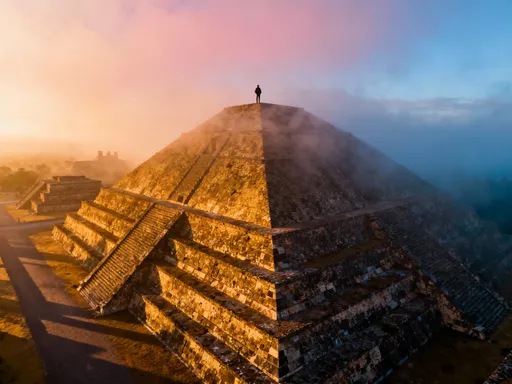
No visit to Teotihuacan is complete without ascending the Pyramid of the Sun, the largest structure in the city and one of the most iconic in all of Mesoamerica. With 248 steps leading to its summit, the climb is moderately strenuous but achievable for most travelers in average physical condition. The pyramid stands at approximately 65 meters tall, though erosion and partial reconstruction have slightly reduced its original height. What makes the ascent remarkable is not just the physical effort, but the unfolding perspective—each level reveals more of the surrounding landscape, until, at the top, the entire city spreads out like a map etched in stone.
Reaching the summit brings a profound sense of accomplishment and connection. On clear days, the view extends beyond the archaeological zone to the distant mountains and valleys that once sustained this great civilization. The Avenue of the Dead stretches northward like a ribbon, leading the eye to the Pyramid of the Moon, while the surrounding plains shimmer under the sun. This panoramic vista offers more than beauty—it provides insight into how the city’s planners used topography to enhance both function and symbolism. The pyramid itself is believed to have been built over a natural cave, possibly seen as an entrance to the underworld, making the climb not just upward, but inward—a symbolic journey from the earthly realm to the spiritual.
Timing the climb can significantly affect the experience. Early morning ascents offer cooler temperatures and softer light, ideal for photography and reflection. The air is still, and the site feels almost private, even on busy days. Midday climbs, while warmer, allow for sharper visibility and vibrant colors on the stone surfaces. Sunset visits are less common but deeply moving, as the fading light casts long shadows and bathes the pyramids in golden hues. Regardless of the hour, visitors are encouraged to pace themselves, take breaks when needed, and stay hydrated. Wearing comfortable shoes with good grip is essential, as some steps are uneven or worn down by centuries of foot traffic.
The Pyramid of the Sun is not merely a tourist attraction; it is a place of energy and presence. Many travelers report a quiet intensity at the summit, a sensation that transcends explanation. Whether interpreted as historical awe, spiritual resonance, or the simple power of human achievement, this feeling lingers long after the descent. For families visiting together, the climb becomes a shared milestone, a moment of encouragement and mutual support. For solo travelers, it offers solitude and introspection. Whatever the context, standing atop the Pyramid of the Sun is a defining moment in any journey through Teotihuacan.
The Pyramid of the Moon: Quieter, Mystical, and Just as Powerful
While the Pyramid of the Sun draws the largest crowds, the Pyramid of the Moon offers a more contemplative and intimate experience. Located at the northern end of the Avenue of the Dead, it sits at the base of the Cerro Gordo mountain, creating a dramatic backdrop that enhances its spiritual aura. Though slightly smaller than its southern counterpart at about 43 meters in height, the Pyramid of the Moon appears taller due to its elevated position and carefully designed platform. Its steps are fewer—approximately 140—but no less meaningful in the journey they represent.
One of the most striking aspects of this pyramid is the view it offers looking back down the Avenue of the Dead. From the summit, the entire length of the avenue unfolds in perfect alignment, flanked by ruins and framed by the natural landscape. This perspective creates a powerful sense of symmetry and intention, reinforcing the idea that Teotihuacan was designed not just for human use, but as a reflection of cosmic order. The mountain behind the pyramid adds to this effect, appearing almost as a natural extension of the structure, blurring the line between human creation and the sacred geography of the region.
Compared to the Sun Pyramid, the Moon Pyramid tends to attract fewer visitors, allowing for moments of stillness and personal reflection. This quiet atmosphere makes it an ideal spot for those seeking a deeper connection with the site. Some visitors choose to sit in silence at the top, absorbing the energy of the place, while others take photographs with minimal distractions. The surrounding plaza is equally compelling, featuring altars, sculpted stones, and remnants of ceremonial platforms that suggest this area was used for important rituals. Excavations have uncovered offerings such as pottery, animal bones, and ceremonial blades, indicating that the site held significant religious importance.
The name “Pyramid of the Moon” was assigned by the Aztecs, who associated it with lunar deities, though the original name used by the Teotihuacanos remains unknown. Modern scholars believe the structure may have been linked to water, fertility, or the earth—elements often symbolized by the feminine in Mesoamerican cosmology. Whether or not this interpretation is accurate, the pyramid carries a distinctly nurturing and grounding presence. For many women travelers, particularly those in the 30–55 age range, this site resonates on an emotional level, evoking themes of strength, balance, and inner wisdom. It is a place where history, nature, and personal reflection converge.
Off-the-Beaten-Path: Hidden Scenic Spots Most Visitors Miss
Beyond the main pyramids and the central avenue, Teotihuacan holds quieter treasures for those willing to explore with curiosity and patience. One such gem is the Palace of Quetzalpapálotl, located west of the Pyramid of the Moon. This elegant residential complex features a beautifully preserved courtyard surrounded by columns carved with intricate feathered butterfly motifs—hence its name, which means “Butterfly of the Precious Feather.” The craftsmanship on display here reveals a high level of artistic sophistication, with detailed stucco work and remnants of painted murals that once adorned the walls. Unlike the crowded pyramids, this area often sees fewer visitors, allowing for a more immersive experience.
Another overlooked area is the network of side paths that branch off from the main avenue. These quieter routes lead to lesser-known platforms and residential compounds, where the sounds of the crowd fade and the natural environment becomes more prominent. Here, sunlight filters through the trees, casting shifting patterns on the stone, and small lizards dart between cracks in the ancient masonry. These moments of stillness invite mindfulness, encouraging visitors to slow down and observe details they might otherwise miss—carved glyphs, weathered inscriptions, or the way shadows align at certain times of day. For photographers, these hidden corners offer unique compositions, free from the clutter of tour groups.
The Temple of Agriculture, located near the eastern edge of the site, is another underappreciated stop. Though not as grand as the major pyramids, it provides insight into the daily life and subsistence practices of Teotihuacan’s inhabitants. Evidence suggests that this area may have been used for rituals related to planting, harvest, and fertility, reflecting the deep connection between spirituality and survival in ancient societies. Interpretive signs help explain the significance of the structures, making it an enriching stop for those interested in the cultural fabric of the city.
Exploring these quieter zones transforms the visit from a checklist of highlights to a more personal and reflective journey. It allows travelers to engage with Teotihuacan not just as spectators, but as mindful observers of history. By stepping away from the main path, visitors often find a deeper appreciation for the complexity and beauty of this ancient city. These hidden spots remind us that some of the most meaningful travel experiences come not from seeing the most famous landmarks, but from discovering the quiet places where history whispers rather than shouts.
Sunrise and Sunset: The Magic Hours at Teotihuacan
Experiencing Teotihuacan during sunrise or sunset transforms the site into something almost otherworldly. The golden hour—just after dawn or before dusk—paints the pyramids in warm, shifting hues, from soft peach to deep amber, while long shadows stretch across the Avenue of the Dead like fingers tracing ancient stories. The air is cooler, the light is softer, and the site feels profoundly still, as if the stones themselves are awakening or settling into rest. For many, these are the most magical times to visit, offering unparalleled photo opportunities and a deeper emotional connection to the landscape.
Sunrise visits require early rising—typically leaving Mexico City by 5:30 AM to arrive at the site by 6:30 AM—but the rewards are well worth the effort. As the first rays of sunlight touch the Pyramid of the Sun, the entire complex seems to glow from within. The morning mist rises gently from the ground, creating a dreamlike atmosphere, while the distant calls of birds and the soft crunch of footsteps on gravel enhance the sense of solitude. Fewer visitors at this hour mean a more personal experience, allowing time for quiet contemplation at the summit of either pyramid. Local guides often offer sunrise tours, providing historical context while respecting the meditative mood of the moment.
Sunset, while less common due to earlier closing hours, can also be arranged through special evening events or cultural programs hosted at the site. These events sometimes include music, storytelling, or light displays that illuminate the structures without damaging the ruins. Even on regular days, arriving in the late afternoon allows visitors to witness the gradual transformation of light, as the western sun casts dramatic contrasts across the stone surfaces. The Pyramid of the Moon, in particular, takes on a serene, almost luminous quality during this time, appearing to float above the avenue.
Photographers and nature lovers alike will appreciate how the changing light reveals textures and patterns invisible under harsh midday sun. The warm tones enhance the natural color of the volcanic rock, while shadows accentuate the architectural details. For families, these times offer a calmer, more bonding atmosphere, free from the heat and bustle of peak hours. Whether seeking spiritual inspiration, artistic beauty, or simply a moment of peace, visiting Teotihuacan at dawn or dusk elevates the experience from sightseeing to soul-seeing.
Beyond the Ruins: The Modern Experience Around Teotihuacan
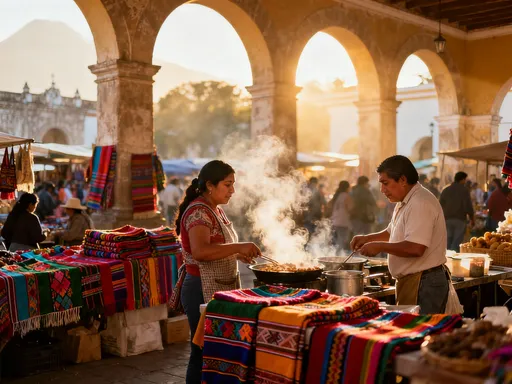
The journey through Teotihuacan extends beyond the archaeological site itself, enriched by the living culture that surrounds it. Just outside the main entrance, small markets line the road, offering handmade crafts, traditional textiles, and locally made pottery inspired by ancient designs. These vendors are often members of nearby communities, and purchasing their goods supports sustainable tourism and cultural preservation. Items such as obsidian jewelry, clay figurines, and embroidered cloth bags make meaningful souvenirs that carry a piece of the region’s heritage.
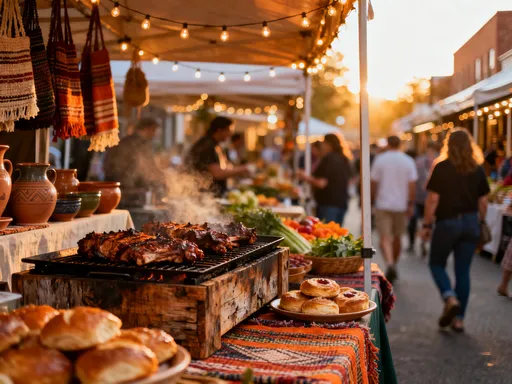
Food is another vital part of the experience. Along the perimeter, local stands serve traditional dishes such as tlacoyos, sopes, and atole—simple, flavorful meals that have been part of Mexican cuisine for generations. These offerings provide a delicious connection to the present-day culture, allowing visitors to taste the continuity between ancient and modern life. Drinking fresh aguas frescas made from hibiscus, tamarind, or horchata offers both refreshment and a sensory link to local agricultural traditions. Eating here supports small businesses and offers a more authentic alternative to pre-packaged snacks.
Inside the site, the on-site museum plays a crucial role in deepening understanding. Though modest in size, it houses artifacts recovered from excavations, including pottery, tools, figurines, and reconstructed murals. Informative displays explain the city’s history, religious beliefs, and daily life, helping visitors contextualize what they see in the ruins. For families, the museum provides an educational anchor, especially for children who benefit from visual and tactile learning. Reading the explanations and viewing the objects brings the silent stones to life, turning abstract shapes into stories of real people.
What makes Teotihuacan truly special is the way the past and present coexist. The ancient city is not a frozen relic, but a living part of Mexico’s cultural identity. Locals visit for school trips, family outings, and even spiritual reflection, maintaining a continuous relationship with the site. Respecting this connection means following guidelines—staying on marked paths, not touching carvings, and avoiding loud behavior. It means engaging with vendors politely and learning a few basic Spanish phrases to show appreciation. When travelers approach Teotihuacan with mindfulness and humility, they become part of a larger story of preservation and reverence.
Teotihuacan is more than a destination—it is an invitation to slow down, to listen, and to remember. In a world that moves quickly, this ancient city offers a rare opportunity to stand in silence, to feel the weight of centuries, and to recognize our place within a much longer human journey. It reminds us that greatness is not measured only in monuments, but in the values we carry forward: curiosity, respect, and wonder. For women who nurture families, manage homes, and often put others first, this place offers a moment to reconnect with oneself, to breathe deeply, and to be inspired by the enduring strength of those who came before.