You Gotta Experience This: Sicily’s Best-Kept Activity Secrets
Sicily isn’t just about sunsets and pasta—it’s a playground of real, raw, unforgettable moments. I’m talking volcano hikes with views that blow your mind, fishing villages where time forgets to move, and markets bursting with flavors you didn’t know existed. This is travel that gets under your skin. If you’re looking for more than just photos, if you want to feel a place, then Sicily’s hands-on experiences are your golden ticket. It’s not simply a Mediterranean island—it’s a living mosaic of ancient civilizations, dramatic nature, and everyday warmth that invites you in. For women in their thirties to fifties who travel not just to escape but to connect, Sicily offers something rare: authenticity without austerity, adventure without recklessness, and beauty that doesn’t feel staged. Here, every path leads to a story, and every story is worth living.
Why Sicily? Beyond the Postcard
Sicily is often sold as a postcard—golden beaches, lemon trees, and Baroque balconies dripping with bougainvillea. But those images only scratch the surface. What truly sets the island apart is its layered soul. Over millennia, Greeks, Romans, Arabs, Normans, and Spaniards have left their mark, not just in ruins and recipes, but in the rhythm of daily life. The island breathes history, yet it does so with a warmth and openness that feels deeply personal. For travelers seeking more than sightseeing, Sicily delivers immersive experiences that engage all the senses and stir the heart.
The island’s compact size makes it ideal for active exploration. In just a few hours, you can move from volcanic highlands to coastal coves, from ancient temples to bustling street markets. Unlike sprawling destinations that require endless transit, Sicily rewards slow, intentional travel. You can hike in the morning, sail in the afternoon, and share a home-cooked meal by evening—all without feeling rushed. This accessibility is especially appealing for women traveling solo or with family, offering both independence and safety.
What also makes Sicily stand out is its authenticity. While some Mediterranean hotspots have been polished into tourist replicas, much of Sicily remains refreshingly unvarnished. Locals speak with passion about their towns, their food, and their traditions. They don’t perform for visitors—they simply live, and they welcome you to witness it. This isn’t passive tourism; it’s participation. Whether you’re learning to shape pasta from a grandmother in Palermo or sharing a glass of Nero d’Avola with a fisherman in Taormina, the connections feel genuine.
Moreover, Sicily’s diverse terrain supports a wide range of low-impact, high-reward activities. Hiking trails wind through nature reserves, coastal paths offer gentle walks with panoramic views, and small-group cooking classes provide both learning and laughter. These aren’t extreme adventures requiring expert gear or fitness, but meaningful engagements suitable for a wide range of abilities. For women who value both comfort and curiosity, Sicily strikes a perfect balance—challenging enough to feel rewarding, welcoming enough to feel restorative.
Climbing Mount Etna: Fire, Ice, and Unbelievable Views
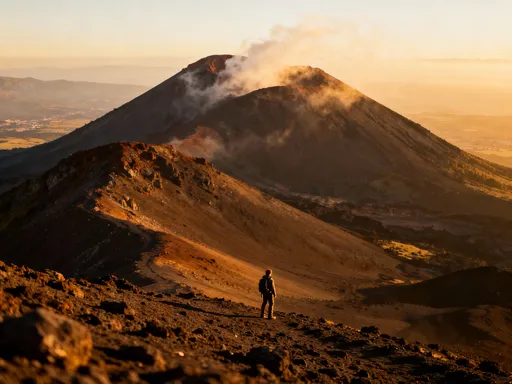
Standing at 3,329 meters and still breathing, Mount Etna is Europe’s most active volcano—and one of its most mesmerizing natural wonders. For many visitors, seeing it from afar is enough. But for those willing to lace up their hiking boots, ascending Etna is an experience that lingers long after the trip ends. It’s not just a hike; it’s a journey through geology, climate, and raw natural power. One moment you’re walking through pine forests, the next you’re on a moonscape of black lava, with steam rising from cracks in the earth.
There are several ways to explore Etna, but the most rewarding is a guided hike that takes you above 2,500 meters. From Rifugio Sapienza, a cable car lifts you to around 2,500 meters, after which a 4x4 vehicle can take you closer to 2,900 meters. The final stretch is on foot, guided by professionals trained in volcanic safety. These guides don’t just lead—they teach. They explain how Etna shapes the island’s fertility, how eruptions are monitored, and why this restless giant is both feared and revered by locals.
The trail itself is moderately challenging but manageable for most fitness levels. The terrain is uneven, with loose volcanic rock requiring steady footing. Temperatures can drop significantly at altitude, even in summer, so layers are essential. But the effort pays off in views that feel almost otherworldly. On clear days, you can see across the Ionian Sea to Calabria, and the curvature of the Earth seems visible on the horizon. When clouds roll in below, it’s like standing on an island in the sky.
One of the most powerful moments is pausing near an old crater, feeling the warmth beneath your boots, and realizing you’re on a living mountain. It’s humbling and exhilarating at once. For women who appreciate both beauty and resilience, Etna becomes a metaphor—powerful, unpredictable, yet deeply nurturing. The soil it produces grows some of Sicily’s finest wines and citrus fruits. This duality—destruction and creation—is part of what makes the experience so profound.
To make the most of your visit, go in the morning when visibility is highest and crowds are lower. Book with licensed operators who prioritize safety and sustainability. Avoid attempting the summit without a guide—volcanic conditions can change rapidly. And don’t forget your camera, but also take time to simply stand still, breathe, and absorb the magnitude of where you are.
Sailing the Aeolian Islands: Freedom on the Tyrrhenian Sea
Just off Sicily’s northern coast, the Aeolian Islands rise from the Tyrrhenian Sea like jewels scattered by the gods. Comprising seven volcanic islands—Lipari, Vulcano, Salina, Panarea, Stromboli, Filicudi, and Alicudi—this UNESCO World Heritage site offers some of the most pristine waters and dramatic coastlines in the Mediterranean. While many tourists visit on day trips, the true magic unfolds when you spend a night or two at sea, anchoring in quiet bays, swimming in thermal springs, and watching Stromboli’s eruptions light up the night sky.
Sailing here doesn’t require experience. Small charter companies offer skippered boats with cabins, meals, and itineraries tailored to comfort and discovery. You can opt for a three-day journey or a week-long adventure, depending on your time and pace. The beauty of this kind of travel is its fluidity—there’s no rigid schedule, no packed tours. If you want to linger in a turquoise cove, you do. If you’d rather explore a hidden grotto, your captain will find it.
One of the most unforgettable moments is approaching Stromboli after sunset. As the boat glides closer, you begin to see it—small explosions of lava shooting from the summit, glowing red against the dark sky. These eruptions, known as “Strombolian activity,” happen regularly and safely, visible from the sea. There’s something primal and soothing about watching nature’s fireworks while sipping a glass of local wine on deck.
During the day, the islands invite exploration. On Vulcano, you can bathe in natural mud pools said to have therapeutic properties, then rinse off in warm, mineral-rich waters. On Salina, lush hills grow capers and Malvasia grapes—tours of local farms offer tastings and stories from generations of islanders. Panarea, the most exclusive of the group, charms with its whitewashed houses and chic, low-key atmosphere.
For women seeking both relaxation and gentle adventure, sailing the Aeolians strikes a rare balance. There’s no pressure to perform, no need to rush. You wake to the sound of waves, swim when you please, and dine on fresh seafood under the stars. It’s travel that feels luxurious without being flashy, active without being exhausting. And because the boats are small—usually carrying 6 to 12 guests—the experience remains intimate and personal.
To plan your trip, consider departing from Milazzo or Cefalù, both of which have reliable ferry and charter services. Late spring and early autumn offer the best conditions—warm water, calm winds, and fewer crowds. Pack light: sunscreen, a wide-brimmed hat, a swimsuit, and a light sweater for evenings. Let the rhythm of the sea set your pace.
Walking Through Time in Agrigento’s Valley of the Temples
In the southwest of Sicily, perched on a ridge overlooking the Mediterranean, lies one of the most extraordinary archaeological sites in the world: the Valley of the Temples in Agrigento. Built in the 5th century BCE by Greek colonists, this open-air sanctuary features some of the best-preserved Doric temples outside of Greece. But more than its historical significance, what moves visitors is the atmosphere—serene, majestic, and deeply human. To walk here at sunrise, when the golden stone glows in the early light and the site is nearly empty, is to feel time slow down.
The Temple of Concordia is the crown jewel—a remarkably intact structure that once housed a goddess, now standing as a testament to ancient craftsmanship. Its columns rise with quiet dignity, and the precision of its design speaks to a civilization that valued harmony and proportion. Nearby, the Temple of Juno offers panoramic views of the sea, while the remains of the Temple of Olympian Zeus hint at the grandeur that once was, even in ruin.
Visiting the Valley of the Temples isn’t just about seeing ancient buildings—it’s about sensing the lives that once moved among them. These were not museums but living centers of worship, community, and civic life. When you place your hand on a sun-warmed column, you’re touching something that has stood for over 2,500 years. That connection is powerful, especially for women who carry family histories, who understand the weight and wonder of legacy.
To fully appreciate the site, go early. The Sicilian sun can be intense, particularly in summer, so arriving at opening time (usually 8:30 a.m.) ensures cooler temperatures and fewer people. Wear comfortable shoes—the site spans over 1,300 meters and involves walking on uneven ground. A wide-brimmed hat and water bottle are essential. Consider renting an audio guide or joining a small guided tour to understand the context behind what you’re seeing.
Take your time. Sit on a bench near the Temple of Heracles and simply observe. Watch how the light shifts across the stone. Notice the wildflowers growing between ancient blocks. These quiet moments often become the most memorable. And before you leave, visit the on-site museum, which houses artifacts, sculptures, and models that bring the ancient city of Akragas to life. It’s a fitting complement to the open-air experience, grounding the grandeur in human stories.
Cooking Like a Local in a Palermo Kitchen
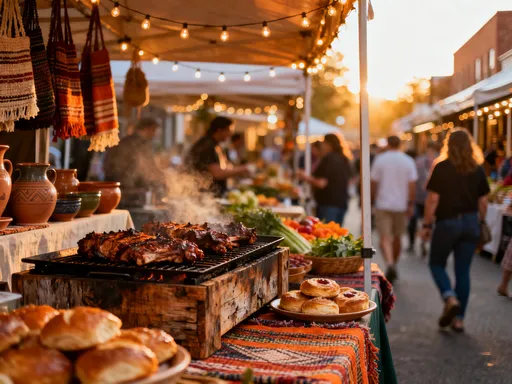
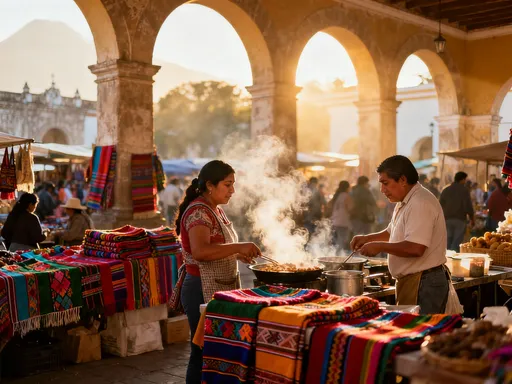
For many women, the heart of a home—and a culture—beats strongest in the kitchen. In Palermo, that heart is vibrant, generous, and deeply rooted in tradition. Taking a hands-on cooking class with a local Sicilian cook isn’t just about learning recipes; it’s about stepping into a world of family, flavor, and slow, joyful living. These classes often begin in a market, where you walk beside your host, selecting eggplants glossy with dew, wheels of ricotta still soft, and herbs that perfume the air.
The real magic happens back in a home kitchen—often a sunlit apartment in Palermo’s historic center. Here, under patient guidance, you learn to shape pasta by hand, stuff arancini with saffron rice and ragù, and bake caponata in earthenware dishes. The pace is unhurried. There’s laughter, storytelling, and the kind of warmth that makes you feel like family by the end of the afternoon.
What sets authentic classes apart is their intimacy. Look for experiences hosted in private homes with no more than six guests. These aren’t commercial operations—they’re personal invitations. Many hosts are women who learned to cook from their mothers and grandmothers, and they pass on not just techniques but values: respect for ingredients, the joy of sharing, the importance of seasonality.
The meal you prepare becomes your lunch or dinner, served with local wine and conversation. And because you’ve made it with your own hands, every bite tastes richer, more meaningful. For women who find comfort and creativity in cooking, this experience is deeply fulfilling. It’s not just about taking a recipe home—it’s about carrying a feeling, a memory, a new way of seeing food.
To find the best classes, look for those with strong reviews emphasizing authenticity and small groups. Avoid large, tourist-focused operations where the experience feels mechanical. The goal is connection, not performance. And don’t worry if you’re not an expert cook—these classes welcome all levels. The emphasis is on participation, not perfection.
Discovering the Hidden Village of Cefalù
Nestled along Sicily’s northern coast, Cefalù is the kind of place that makes you want to extend your trip. With its medieval streets, Norman cathedral, and turquoise waters lapping against rocky shores, it’s picturesque without being pretentious. Unlike more crowded coastal towns, Cefalù retains a lived-in charm—fishermen mend nets by the harbor, children play in the piazza, and laundry flutters from balconies. It’s a place where you can feel like a guest, not a commodity.
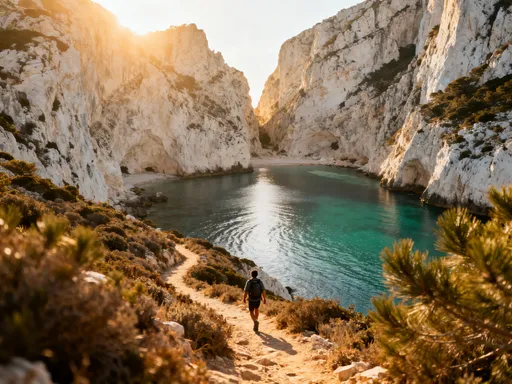
The centerpiece is the imposing Rocca, a rocky promontory that rises behind the town. A moderate hike to the top rewards you with panoramic views of the coastline—a sweeping vista that stretches for miles. The path is well-marked but shaded in parts, making it manageable even in warmer months. At the summit, you’ll find ancient ruins and silence, broken only by the wind and distant waves.
Below, the old town invites wandering. Cobbled lanes open into small squares, where cafes serve granita and brioche for breakfast. The Cathedral of Cefalù, with its golden Byzantine mosaics, is both a spiritual and artistic marvel. Step inside, and the light catches the tesserae just so, making the figures seem to glow. It’s a moment of stillness, of awe, easily missed in a hurried visit.
For swimming, head to the rocky cove on the eastern side of town. Locals favor it for its clear water and natural shade. Bring water shoes, as the rocks can be sharp. If you prefer sand, there’s a municipal beach with umbrellas and services, but the cove feels more authentic.
A perfect day in Cefalù might start with a pastry from Pasticceria Prestigiacomo, followed by a swim, a walk through the alleys, and lunch at a family-run trattoria serving pasta con le sarde or fresh anchovies. In the afternoon, climb the Rocca or browse artisan shops selling ceramics and linen. As the sun sets, join locals for a passeggiata along the waterfront, gelato in hand.
What makes Cefalù special is its balance—beauty and ease, history and hospitality. It’s a place where you can slow down, breathe deeply, and remember why you travel in the first place.
Wrapping It Up: How These Experiences Change the Way You Travel
Travel has a way of revealing not just the world, but ourselves. And in Sicily, where every experience invites participation, the transformation is subtle but lasting. When you hike a volcano, sail through island waters, cook with a local, or wander ancient streets at dawn, you’re not just observing—you’re engaging. You’re using your body, your senses, your curiosity. And that kind of travel sticks with you.
These hands-on adventures do more than fill a vacation. They reshape memory. Years later, you won’t just recall what Sicily looked like—you’ll remember the warmth of volcanic rock under your palm, the taste of pasta you shaped yourself, the sound of waves as Stromboli erupted in the distance. These sensory imprints become part of your story.
For women who juggle roles—mother, partner, professional, caregiver—Sicily offers a rare gift: permission to be present. Not to plan, not to manage, but to simply be. To walk without agenda, to taste without guilt, to listen without distraction. In that space, something shifts. You reconnect not just with a place, but with yourself.
And perhaps that’s the greatest secret of Sicily: it doesn’t just show you beauty. It invites you to live it. It reminds you that travel isn’t about collecting destinations, but about deepening connection—between people, places, and the moments that matter.
So if you’ve been waiting for a sign, let this be it. Pack light. Bring your curiosity. Leave room for surprise. Sicily isn’t just a place to visit. It’s a way to remember how to live—with wonder, with warmth, with hands wide open.