Beyond the Taj: Agra’s Hidden Natural Escapes You’ve Never Heard Of
You know Agra for the Taj Mahal—but what if I told you the real magic lies beyond the marble? Tucked between dusty streets and riverbanks are quiet gardens, serene sanctuaries, and green retreats most travelers completely overlook. I was surprised too. This isn’t just a city of monuments; it’s home to peaceful natural spots where history and nature quietly coexist. Let me take you off the beaten path to discover a softer, greener side of Agra.
Reimagining Agra: More Than Just Monuments
Agra is etched in the global imagination as the city of the Taj Mahal, a UNESCO World Heritage Site and one of the most photographed buildings in the world. For decades, travelers have flocked here with one destination in mind: the ivory-white mausoleum that stands as a symbol of eternal love. Yet, this singular focus often blinds visitors to the city’s quieter, more subtle charms. Beyond the grandeur of Mughal architecture lies a network of green spaces, riverside sanctuaries, and natural oases that breathe life into Agra’s urban fabric. These places offer a rare balance—where history is not only preserved in stone but also reflected in the rustle of leaves, the flight of birds, and the gentle flow of water.
The perception of Agra as merely a monument town overlooks its ecological and cultural relationship with nature. During the Mughal era, garden design was an essential part of imperial aesthetics. The charbagh layout—divided into four quadrants—was not just symbolic but functional, creating microclimates and enhancing spiritual contemplation. These gardens were meant to evoke paradise on earth, blending geometry with greenery. Today, many of these spaces remain, though they are often overshadowed by their more famous neighbors. Recognizing them requires a shift in perspective—a willingness to look past the postcard views and embrace a slower, more observant way of traveling.
The Yamuna River, which flows beside the Taj Mahal, has long been a lifeline for the city. Though its waters are now challenged by pollution, it continues to shape Agra’s geography and influence its green corridors. Parks, ghats, and garden complexes have been built along its banks, creating a ribbon of nature that threads through the city. When travelers begin to see Agra through this lens—not as a static museum of monuments but as a living city where nature and heritage coexist—they unlock a deeper, more meaningful experience. This is not about replacing the Taj with something else, but about enriching the journey with moments of stillness, beauty, and connection.
Mehtab Bagh: The Moonlight Garden’s Serenity
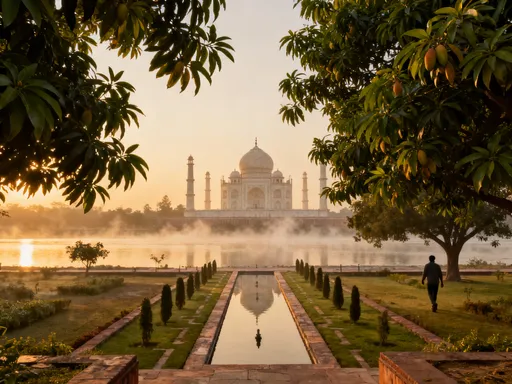
Directly across the Yamuna River from the Taj Mahal lies Mehtab Bagh, a tranquil Mughal garden that offers one of the most breathtaking views of the iconic monument—without the crowds. Often missed by hurried tourists, this 25-acre charbagh garden was originally built in the 16th century by Emperor Babur and later restored in the 1990s by the Archaeological Survey of India. Its name, meaning “Moonlight Garden,” hints at its intended purpose: a serene retreat where Mughal royalty could admire the Taj under the soft glow of the moon. Today, it remains a place of quiet elegance, where the reflection of the Taj shimmers in the river at sunrise, cloaked in morning mist.
The garden’s symmetrical design mirrors the principles seen in the Taj Mahal’s own layout, with raised pathways dividing it into four main sections, each filled with flowering plants, fragrant herbs, and mature mango trees that provide ample shade. Walking through Mehtab Bagh feels like stepping into a living painting—one where the Taj is not just a backdrop but a central character in a landscape that changes with the light. At dawn, the white marble glows pink; by midday, it shines brilliant white; and at sunset, it turns golden. The garden’s northern location ensures an unobstructed panoramic view, making it a favorite among photographers and contemplative travelers alike.
One of the most compelling reasons to visit Mehtab Bagh is its relative tranquility. While the Taj Mahal can be bustling with tour groups by 8 a.m., this garden remains peaceful well into the morning. There are no loud guides, no souvenir hawkers, just the sound of birds and the occasional rustle of leaves. Visitors can sit on the central octagonal platform, breathe in the fresh air, and take in the scene without distraction. For families, it’s an ideal spot for a quiet picnic or a peaceful morning walk. Entry is included in the Taj Mahal ticket or available separately, and the best time to visit is early morning or late afternoon when the light is soft and the temperatures are mild.
The Yamuna River: A Lifeline Often Ignored
The Yamuna River is more than a scenic feature—it is the historic and ecological heart of Agra. Flowing past the Taj Mahal, it has witnessed centuries of change, from the glory of the Mughal Empire to the challenges of modern urbanization. In its prime, the river was clean and revered, its banks lined with royal gardens and ceremonial ghats. Today, while portions of the Yamuna suffer from pollution due to industrial runoff and untreated sewage, certain stretches still retain a quiet beauty, especially near Mehtab Bagh and downstream toward the Etawah border.
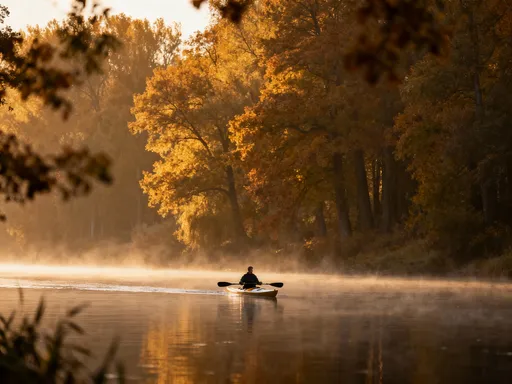
Despite its environmental challenges, the Yamuna continues to play a vital role in shaping Agra’s green spaces. The river’s presence creates a microclimate that supports vegetation, cools the surrounding areas, and attracts birdlife. At sunrise, a soft fog often hovers over the water, giving the Taj Mahal an ethereal glow. The reflection of the monument in the still morning waters is a sight that few forget. Along the northern and eastern banks, walking paths allow locals and visitors to enjoy riverside strolls, away from the noise of the city. These pathways, though modest, offer a rare opportunity to connect with nature in an urban setting.
Conservation efforts are underway to improve the river’s health. Government and non-governmental organizations are working on projects to reduce pollution, restore wetlands, and promote public awareness. While progress is gradual, these initiatives reflect a growing recognition of the Yamuna’s value—not just as a water source, but as a cultural and ecological asset. For travelers, observing the river with respect and sensitivity is part of responsible tourism. Avoid littering, support eco-friendly riverfront activities, and consider visiting during clean-up campaigns or educational programs if available. By doing so, visitors contribute to preserving this vital lifeline for future generations.
Sikandra’s Green Embrace: Nature Around Akbar’s Tomb
Just a few kilometers from central Agra lies Sikandra, the final resting place of Emperor Akbar, one of India’s most visionary rulers. While the tomb itself is an architectural marvel—blending Islamic, Hindu, Christian, and Jain elements—its surrounding garden complex is equally impressive. Spread over 119 acres, the site is enveloped in lush greenery, with wide pathways shaded by neem, peepal, and banyan trees. Unlike the tightly managed lawns of the Taj Mahal, Sikandra’s gardens feel more natural, almost park-like, inviting visitors to wander, rest, and reconnect with the outdoors.
The tomb is set within a series of tiered gardens that rise gradually toward the main structure, creating a sense of journey and discovery. Fountains, water channels, and flowering shrubs enhance the sense of serenity. Seasonal blooms—such as amaltas in spring and champa in summer—add bursts of color and fragrance. Birdwatchers will appreciate the diversity of species here, from bulbuls and parakeets to kingfishers and doves. The open courtyards and shaded alcoves make it a popular spot for morning walkers, families, and elderly residents seeking peace and gentle exercise.
Visiting Sikandra in the early morning offers a particularly rewarding experience. The air is cool, the light is soft, and the garden is alive with activity—yoga practitioners, joggers, and children playing under the watchful eyes of their grandparents. The tomb’s red sandstone facade glows warmly in the rising sun, and the surrounding greenery feels especially vibrant. Entry is affordable, and the site is less crowded than Agra’s more famous monuments, allowing for a more personal and reflective visit. For travelers, combining Sikandra with a visit to the nearby wildlife sanctuary or Keetham Lake makes for a fulfilling day of nature and culture.
Keetham Lake (Sur Sarovar): A Birdwatcher’s Secret
Nestled about 10 kilometers from central Agra, Keetham Lake—also known as Sur Sarovar—is a hidden gem that offers a complete escape from the city’s pace. Recognized as a Bird Sanctuary under the National Wetland Conservation Programme, this peaceful lake is home to over 150 species of birds, including both resident and migratory varieties. From October to March, visitors may spot painted storks, grey herons, purple moorhens, and even the rare black-crowned night heron gliding across the water. Kingfishers dart between reeds, while egrets and cormorants perch on half-submerged branches, drying their wings in the sun.
The sanctuary is built around a natural depression that collects rainwater, creating a wetland ecosystem that supports not only birds but also fish, turtles, and small mammals. A raised walking path circles the lake, allowing for uninterrupted views and excellent photography opportunities. Observation towers and shaded benches are strategically placed for comfort and accessibility. Families often come here for weekend outings, enjoying the open spaces and clean air. The adjacent deer park adds to the charm, where spotted deer roam freely in a protected enclosure, offering children a gentle introduction to wildlife.
What makes Keetham Lake truly special is its atmosphere of calm. There are no loud announcements, no commercial stalls, and no rush. Visitors are encouraged to maintain silence to avoid disturbing the birds. The sound of water, rustling reeds, and distant bird calls create a natural symphony. Entry is nominal, and the site is open from sunrise to sunset. The best time to visit is early morning, when bird activity peaks. For those interested in nature photography or simply seeking a quiet place to reflect, Keetham Lake is a must-visit. It reminds us that even near bustling cities, pockets of wilderness endure—offering beauty, balance, and a deep sense of peace.
Local Parks and Urban Greenery: Agra’s Quiet Breathing Spaces
Beyond the well-known gardens and sanctuaries, Agra’s everyday green spaces reveal the city’s soul. Parks like Jawahar Bagh, located near the old city, and the shaded garden adjacent to Agra Fort, serve as vital breathing spaces for residents. These are not curated for tourists but cherished by locals—places where grandparents bring grandchildren, students read under trees, and morning walkers begin their day. They may lack the grandeur of Mughal gardens, but they possess an authenticity that speaks to the rhythm of daily life.
Jawahar Bagh, though modest in size, is a lively urban park with wide lawns, flowering trees, and concrete benches. It hosts morning yoga sessions, informal cricket games, and community gatherings. The shade of tall neem and rain trees provides relief from the summer heat, making it a popular refuge during afternoons. Unlike the ticketed monuments, this park is free and open to all, reflecting a democratic spirit of public space. Nearby, the garden along the Agra Fort ramparts offers a different kind of experience—where history and nature intersect. Visitors can sit beneath ancient trees while gazing at the fort’s red sandstone walls, feeling the weight of centuries without the press of crowds.
These local parks play a crucial role in urban well-being. They improve air quality, reduce noise pollution, and provide mental respite in a fast-paced environment. For travelers willing to step off the tourist trail, spending time in these spaces offers a rare glimpse into Agra’s living culture. It’s here that you’ll see families sharing snacks, elders playing chess, and teenagers laughing on swings. These moments, though ordinary, are deeply human. They remind us that cities are not just collections of buildings, but communities shaped by shared spaces and shared experiences. By visiting these parks with respect and curiosity, travelers become part of that fabric, if only for a short while.
How to Experience Agra’s Nature Like a Local
To truly appreciate Agra’s natural escapes, it helps to adopt the rhythm of its residents. Begin your day early—between 6:00 and 8:00 a.m.—when temperatures are cool and light is soft. This is the golden hour for both comfort and photography. Wear comfortable walking shoes with good support, as many garden paths are made of stone or compacted earth. Carry a reusable water bottle to stay hydrated, especially during warmer months, and consider bringing a light scarf or hat for sun protection.
When visiting natural sites, practice eco-conscious behavior. Avoid plastic, carry a small bag for trash, and never feed birds or animals unless explicitly allowed. Respect signage and stay on designated paths to protect delicate vegetation. Silence is golden in places like Keetham Lake and Mehtab Bagh—lower your voice and turn off phone ringtones to preserve the peace. If you’re taking photos, do so mindfully. Avoid using flash near birds, and never disturb wildlife for a shot. The most powerful images often come from patient observation, not forced moments.
Consider combining your visits for a balanced itinerary. Start at Mehtab Bagh for sunrise, then head to the Taj Mahal when it opens. Later, visit Sikandra or Keetham Lake in the late afternoon when light is warm and crowds are thin. For a full day, pair a morning walk in a local park with a visit to a heritage site. This approach allows you to experience Agra in layers—its history, its nature, and its people. Above all, slow down. Let yourself linger. Sit on a bench. Breathe. Listen. These quiet moments often become the most memorable parts of a journey.
Conclusion: Discovering Agra’s Soul in Silence and Green
Agra is more than a destination—it is an experience that unfolds in layers. While the Taj Mahal will always be its crown jewel, the city’s true soul reveals itself in the quiet spaces between monuments. In the rustle of mango leaves at Mehtab Bagh, the morning mist over the Yamuna, the flight of a painted stork at Keetham Lake, and the laughter of children in a neighborhood park, we find a different kind of beauty—one that is alive, breathing, and deeply human. These natural escapes do not diminish the grandeur of Agra’s architecture; they enhance it, offering balance, contrast, and emotional depth.
Traveling with intention means more than checking off landmarks. It means allowing space for stillness, for wonder, for connection. It means seeing a city not just with your eyes, but with your heart. Agra’s green spaces invite us to slow down, to listen, and to remember that even in places shaped by history, nature continues to thrive—in quiet corners, along forgotten banks, in gardens that have stood for centuries. They remind us that beauty is not only in the monumental, but also in the modest, the overlooked, the serene.
So the next time you plan a visit to Agra, look beyond the marble. Seek out the shade of a banyan tree, the reflection of the sky in a still lake, the early morning song of a bulbul. Let the city surprise you. Let it breathe with you. And in those quiet moments, you may just discover that the real magic of Agra was never just in its monuments—but in the silence between them, where nature and memory meet.