Lost in the Wild Beauty of Lübeck – You Won’t Believe These Hidden Natural Escapes
Lübeck, Germany, is more than just a fairy-tale old town or marzipan shops — it’s a gateway to breathtaking natural landscapes often overlooked by travelers. Nestled between lush forests, serene lakes, and quiet riverbanks, this historic city offers unexpected outdoor adventures. I was amazed by how easily you can swap cobblestone streets for forest trails. Just minutes from the UNESCO-listed Altstadt, the sounds of church bells give way to rustling leaves and birdsong. Whether you’re strolling along a glassy lake, paddling down a shaded river, or hiking beneath towering beech trees, Lübeck reveals a quieter, wilder side that few tourists discover. This is nature not as an escape from the city, but as its quiet companion.
Discovering Lübeck Beyond the Postcard
Lübeck is most often celebrated for its red-brick Gothic architecture, its role as a former Hanseatic powerhouse, and its reputation as the marzipan capital of the world. Tourists flock to admire the Holstentor, wander the cobblestone alleys of the old town, and sip coffee with a slice of sweet almond confection. While these cultural treasures are undeniably worth the visit, they represent only half the story. Just beyond the medieval walls lies a landscape of remarkable natural tranquility — one that invites slow exploration and quiet reflection. This dual identity is what makes Lübeck truly unique: a city where history and nature coexist in graceful balance.
Most visitors confine their experience to the compact Altstadt, unaware that expansive green corridors begin just a short walk from the market square. The city is encircled by forests, threaded by rivers, and dotted with lakes — all easily accessible and remarkably unspoiled. These natural spaces are not afterthoughts; they are integral to the city’s character and daily life. Locals routinely trade city shoes for hiking boots, heading out for weekend swims, forest runs, or riverside bike rides. For the mindful traveler, this offers a rare opportunity: to experience a European city not only through its monuments but through its living landscape.
What makes Lübeck’s natural offerings so appealing is their proximity and accessibility. You don’t need a car or a full day to reach them. Many of these green spaces are within 15 to 30 minutes of the city center by foot, bike, or local bus. This seamless transition from urban to wild allows for a kind of travel that is both effortless and deeply restorative. One moment you’re admiring 13th-century spires, and the next you’re walking beneath a canopy of ancient trees, with no trace of traffic or crowds. It’s a reminder that beauty isn’t always found in grand gestures — sometimes, it’s in the quiet path just off the main road.
The Trave River: Lübeck’s Natural Lifeline
Flowing through the heart of the city like a silver ribbon, the River Trave is Lübeck’s enduring connection between past and present, urban and natural. Historically, it was the lifeblood of the Hanseatic trade, carrying goods to and from the Baltic Sea. Today, it serves a different but equally vital role — as a corridor of calm, recreation, and scenic beauty. As it winds through the city, the Trave offers residents and visitors a continuous green pathway where walking, cycling, and paddling are not just possible but deeply enjoyable.
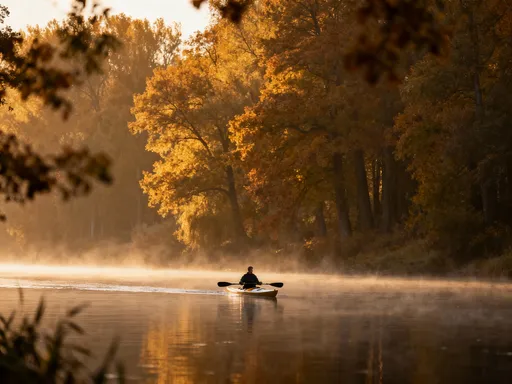
One of the most accessible entry points is the Burgtor Marina, located just outside the old town gates. Here, the river is wide and gentle, flanked by grassy banks and shaded walkways. It’s common to see kayakers gliding silently downstream, their paddles dipping into the calm water, while joggers and dog walkers follow the well-maintained riverside trail. In the early morning, mist rises from the surface, softening the outlines of the city skyline. By midday, sunlight glitters on the ripples, inviting people to pause and soak in the peaceful atmosphere.
For those seeking a longer excursion, the Trave offers a scenic route toward the village of Siems, about 10 kilometers north. This stretch is ideal for biking, with dedicated lanes running parallel to the river. The landscape gradually shifts from urban edges to open fields and quiet woodlands. Along the way, you’ll pass small docks, grazing meadows, and the occasional heron standing motionless in the shallows. It’s a journey that embodies the spirit of slow travel — not about distance covered, but moments experienced.
The Trave also supports a growing culture of water-based recreation. Stand-up paddleboarding has become increasingly popular, especially in the calmer sections near the city center. Rental services are available during the summer months, and guided tours offer a unique perspective of Lübeck from the water. Even without a board or kayak, simply walking along the riverbanks provides a sense of escape. The sound of flowing water, the cool breeze, and the sight of swans gliding past create a meditative rhythm that contrasts beautifully with the energy of the old town.
Klausdorfer See: A Local’s Weekend Escape
If there’s one place where Lübeck residents go to unwind, it’s Klausdorfer See. This modest but charming lake lies just 4 kilometers northeast of the city center, easily reachable by bike or a 20-minute bus ride. Unlike the crowded resort lakes of northern Europe, Klausdorfer See retains a relaxed, unpretentious atmosphere. It’s not about luxury amenities or bustling promenades — it’s about simplicity, nature, and the joy of a quiet day outdoors.
The lake is surrounded by a belt of pine forest, which buffers the noise of the city and provides shade on warm afternoons. A soft sandy beach lines part of the shore, making it ideal for families with young children. The water is clean and calm, with a designated swimming area marked by buoys. Lifeguards are on duty during peak summer months, adding to the sense of safety and comfort. On sunny weekends, you’ll see parents spreading out towels, children building sandcastles, and teenagers splashing in the shallows — all enjoying a classic lakeside experience without the stress of long drives or entry fees.
For those seeking a bit more activity, the lake supports a range of paddle sports. Pedal boats, kayaks, and stand-up paddleboards are available for rent at a small kiosk near the beach. Gliding across the glassy surface, especially in the early morning or late afternoon, offers a peaceful way to take in the surroundings. The reflection of the trees in the water creates a mirror-like effect, doubling the sense of serenity. Birdwatchers might spot kingfishers darting along the edges or moorhens leading their chicks through the reeds.
What truly sets Klausdorfer See apart is its authenticity. There are no souvenir shops, no loud music, no overpriced cafes. Instead, visitors bring their own picnics — bread, cheese, fruit, and thermoses of tea — and settle under the pines. Grilling is allowed in designated areas, and the scent of wood smoke often mingles with the pine fragrance. It’s a place where time slows down, where the only agenda is to be present. For travelers looking to connect with local life, this lake offers a genuine glimpse into the rhythm of Lübeck’s outdoor culture.
Lauerholz Forest: Where the City Fades Away
Just 15 minutes from Lübeck’s city center lies a world of stillness and shade — the Lauerholz Forest. This expansive woodland is one of the city’s best-kept natural secrets, a place where the hum of traffic disappears and the only sounds are the wind in the trees and the occasional call of a woodpecker. Composed primarily of beech and pine, the forest features a network of well-marked trails that cater to hikers, trail runners, and nature lovers of all levels.
Entering Lauerholz feels like stepping into another realm. The air is cooler, fresher, rich with the scent of damp earth and resin. Sunlight filters through the canopy in dappled patterns, illuminating moss-covered roots and fallen logs returning to the soil. In spring, the forest floor blooms with wild garlic and wood anemones, filling the air with a delicate fragrance. In autumn, the beech trees turn golden, their leaves carpeting the paths in a soft, rustling layer. Each season offers a different mood, a different reason to return.
The trails are well-maintained and clearly signed, making navigation easy even for first-time visitors. Some paths are wide and gravel-surfaced, suitable for strollers or casual walkers. Others are narrow and winding, inviting deeper exploration. One popular loop leads to a small observation platform, offering a view over a quiet clearing where deer are sometimes seen at dawn. Birdwatchers will appreciate the diversity of species — from nuthatches and treecreepers to the elusive black woodpecker.
What makes Lauerholz so valuable is not just its beauty, but its accessibility. Unlike remote national parks that require hours of travel, this forest is integrated into the city’s fabric. Many residents visit daily, using it as a place to exercise, meditate, or simply breathe. For travelers, it offers a chance to experience German forest culture — the concept of “Waldbaden” or forest bathing — without leaving the city limits. In a world that often feels too fast and too loud, Lauerholz is a reminder of the healing power of quiet woods.
Wakenitz River & Nature Reserve: A Wilder Side
To the west of Lübeck, the Wakenitz River traces a slow, meandering path through one of northern Germany’s most ecologically significant lowland areas. Unlike the more developed Trave, the Wakenitz remains largely untouched, flowing through reed beds, alder forests, and protected wetlands. This entire corridor is part of a designated nature reserve, home to a rich diversity of plant and animal life. It is a place of stillness, of hidden channels and whispering reeds — a true wilderness on the city’s doorstep.
The Wakenitz is best experienced by canoe or kayak, allowing travelers to glide silently through its narrow waterways. Paddling through the reed-lined channels, you might spot a kingfisher darting like a blue flash, or a family of ducks slipping into the water. Deer often come to drink at the edges, and if you’re quiet, you might see their reflections in the still surface. The absence of motorized boats preserves the tranquility, making it a sanctuary not just for wildlife but for the human spirit.
Several local outfitters offer guided canoe tours, typically lasting two to three hours. These excursions begin at designated launch points and follow marked routes through the reserve. Along the way, guides share insights about the ecosystem — how the wetlands filter water, support bird migration, and protect against flooding. It’s an educational experience as much as a recreational one, deepening appreciation for the delicate balance of nature.
For those who prefer to stay on land, a series of forest paths run parallel to the river, offering excellent walking opportunities. These trails are less crowded than those in the city, providing a sense of solitude. Interpretive signs along the route explain the flora and fauna, from the rare marsh orchids to the bats that roost in the old trees. Whether by water or by foot, the Wakenitz invites a slower, more mindful way of traveling — one that values observation over speed, and presence over productivity.
Getting There: Practical Tips for Nature Exploration
One of the greatest advantages of Lübeck’s natural attractions is how easy they are to reach without a car. The city has a well-developed public transportation system, including buses that connect the center to key natural sites. Klausdorfer See, for example, is served by Bus 5, which runs frequently from the main train station. Lauerholz Forest is accessible via Bus 6 or a pleasant 30-minute walk from the northern edge of the old town. For the Wakenitz, regional trains go to stations like Gudow or Techelsdorf, from which it’s a short walk to canoe rental points.
However, the most enjoyable way to explore is by bicycle. Lübeck is a bike-friendly city, with dedicated lanes, clear signage, and numerous rental shops. A simple city bike is sufficient for most trails, though hybrid or gravel bikes are recommended for longer excursions. Many hotels and guesthouses offer bike rentals, and some even provide maps of scenic routes. Cycling along the Trave toward Siems or out to Klausdorfer See is not only practical but deeply pleasurable, allowing you to feel the breeze and take in the changing landscape at your own pace.
When planning your outings, consider the season and time of day. Summer brings longer daylight hours and warmer water, ideal for swimming and paddling, but also more insects. Packing a light insect repellent is wise, especially near wetlands. Spring and autumn offer milder temperatures and fewer crowds, perfect for hiking and birdwatching. Winter visits are possible, though some trails may be muddy or icy; wearing sturdy footwear is essential.
For comfort and safety, bring water, sunscreen, and a small first-aid kit. A lightweight rain jacket is always a good idea, given the region’s changeable weather. If you’re planning a full-day trip, pack a picnic — fresh bread, local cheese, and fruit make for a satisfying meal. And while most sites have basic facilities, carrying out your trash is a small but important way to respect these natural spaces. By traveling thoughtfully, you help preserve the beauty that makes Lübeck’s wild side so special.
Why Nature in Lübeck Matters
In an age of fast travel and crowded destinations, Lübeck offers something increasingly rare: a city where nature is not an afterthought, but a daily companion. Its forests, rivers, and lakes are not just scenic backdrops — they are vital to the well-being of its residents and the authenticity of the visitor experience. These green spaces provide a refuge from the pace of modern life, a place to reconnect with the rhythms of the natural world.
Moreover, they represent a model of sustainable urban living. By preserving and integrating natural areas into the city, Lübeck demonstrates how heritage and ecology can thrive together. This balance is not accidental; it is the result of thoughtful planning, community stewardship, and a deep cultural respect for the land. For travelers, it offers a chance to engage with a destination in a more meaningful way — not as passive observers, but as mindful participants in a living landscape.
Exploring Lübeck’s hidden natural escapes is more than a recreational choice — it’s an invitation to slow down, to listen, to notice. It’s about trading the checklist of sights for the quiet joy of a forest path, the shimmer of a lake at sunset, the glide of a canoe through silent reeds. These moments may not make it onto postcards, but they stay with you longer. They remind us that beauty is not always loud or famous — sometimes, it’s the soft whisper of leaves in the wind, just beyond the city walls.
So the next time you visit Lübeck, don’t stop at the Holstentor. Keep walking. Follow the river. Enter the forest. Let the city fade behind you and discover the wild beauty that lies just beyond. In doing so, you’ll not only see a different side of this historic town — you’ll feel it, breathe it, carry it with you long after you’ve returned home.