You’ve Seen Salzburg’s Sights—But Wait Until You See It from These Hidden Spots
Salzburg is postcard-perfect from every angle, but most visitors only see the highlights. I dug deeper and found viewpoints few know—places where the city unfolds like a secret. Perched on quiet hills, tucked behind old walls, or hidden in plain sight, these spots offer breathtaking panoramas without the crowds. If you’re craving authentic moments and unforgettable views, this journey beyond the tourist trail is for you.
Why Hidden Viewpoints Matter
When travelers visit Salzburg, they often follow a familiar path: the Mirabell Gardens, the Getreidegasse, and the towering Hohensalzburg Fortress dominate itineraries. These landmarks are undeniably impressive, but their popularity comes at a cost—crowds that blur the sense of place, selfie sticks blocking every window view, and a feeling of moving through a stage set rather than a living city. This is where hidden viewpoints become essential. They offer something increasingly rare in modern travel: solitude, authenticity, and a personal connection to the landscape.
Lesser-known vantage points allow visitors to experience Salzburg not as a curated show, but as a layered, breathing place. From these quiet corners, the morning mist rising over the Salzach River or the first light catching the spires of the cathedral feels intimate, not staged. The absence of tour groups and loud chatter makes space for reflection. You begin to notice small details—the way ivy clings to ancient stone, how church bells echo differently from a distance, or how the mountains seem to shift color with the time of day. These are the moments that linger long after the trip ends.
Popular sites like the Hohensalzburg Fortress offer sweeping views, but they are often framed by railings, ticket booths, and snack stands. While impressive, they can feel more like observation decks than emotional connections to the city. Hidden viewpoints, by contrast, invite a slower, more contemplative kind of seeing. They reward curiosity and patience. You’re not just looking at Salzburg—you’re feeling it. This deeper engagement transforms a standard sightseeing tour into a meaningful journey. It’s the difference between checking off a list and discovering a memory.
The emotional value of these quiet spots cannot be overstated. For many travelers, especially women between 30 and 55 who often plan trips for their families, these moments of peace are a form of quiet renewal. Stepping away from the bustle offers a chance to breathe, to reconnect with oneself, and to appreciate beauty without distraction. In a world that rarely slows down, finding a hidden bench with a view of the Alps can feel like a small act of self-care. These places remind us that travel is not just about seeing more, but about feeling more.
Mönchsberg’s Secret Pathways
Rising gently above the eastern edge of Salzburg’s Old Town, the Mönchsberg ridge is a green spine that divides the city from the surrounding hills. While many tourists take the elevator up to the Museum der Moderne or walk the paved promenade, few venture onto the quieter, parallel trails that wind through the forested slopes. These hidden footpaths offer a different kind of experience—one defined by dappled sunlight, the scent of pine, and unexpected glimpses of the city below.
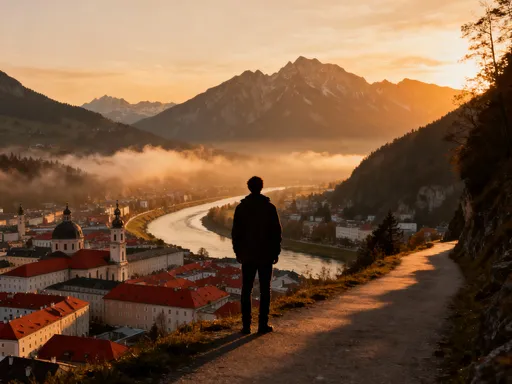
One particularly striking stretch lies near the Naturkundemuseum, just off the main path. A narrow dirt trail branches left, barely marked, and after a few minutes of walking, it opens to a natural clearing. Here, the view is perfectly framed: the red rooftops of the Old Town stretch out like a patchwork quilt, the Salzach River glimmers in the foreground, and the distant Alps rise like a backdrop to a painting. What makes this spot special is its sense of discovery. There are no signs, no benches, no crowds—just a quiet place to stand and take it all in.
The best times to visit are early morning or late evening, when the light is soft and golden. At dawn, the city is still waking up—smoke curls from chimneys, the first trams begin their routes, and the fortress emerges slowly from the mist. By late afternoon, the sun casts long shadows across the rooftops, and the dome of the cathedral catches the last light. These are the moments when photography feels effortless, but even without a camera, the view leaves a lasting impression.
Access to the Mönchsberg is easy. The elevator near Festungsgasse lifts visitors to the top in seconds, but for those who prefer to walk, a series of stone steps winds up from the Kapitelgasse. Comfortable shoes are recommended, especially for the unpaved sections. A light jacket is wise, as the elevation brings a cooler breeze even on warm days. Bringing a small notebook or sketchpad enhances the experience—this is a place that inspires quiet reflection, not just sightseeing.
The Quiet Charm of Kapuzinerberg’s Southern Slope
Just across the Salzach River from the Mönchsberg, the Kapuzinerberg remains one of Salzburg’s best-kept secrets. While the Hohensalzburg Fortress draws thousands each day, this forested hill is often overlooked, even by seasoned travelers. Yet it holds some of the most peaceful and scenic trails in the city. Among them, the southern slope offers a particularly rewarding path—one that leads to a natural overlook with a panoramic view of Salzburg Cathedral and the snow-capped peaks beyond.
The trail begins near the Capuchin Monastery at the base of the hill. Instead of following the main switchback path, hikers should look for a narrower, less-maintained route that veers to the right. This path is lined with ferns and moss-covered stones, and after about ten minutes of gentle climbing, it opens to a small clearing. From here, the view is unobstructed: the green dome of the cathedral stands out against the skyline, the river curves gracefully below, and the mountains rise in the distance like sentinels. In autumn, the surrounding trees turn golden, adding warmth to the scene. In winter, a dusting of snow makes the view feel like a holiday card come to life.
What gives this spot its special atmosphere is its history. Centuries ago, Capuchin monks used these slopes for meditation and prayer. Even today, the area carries a sense of stillness, as if the quiet has been preserved over time. There are no loudspeakers, no vendors, no signs demanding attention—just the sound of wind in the trees and the occasional call of a bird. For visitors seeking a moment of calm, this is a sanctuary in the middle of the city.
The trail is manageable for most fitness levels, though the path can be slippery after rain. Sturdy shoes with good grip are advisable. Because this route is less traveled, it’s especially important to stay on marked paths to protect the natural environment. A small water bottle and a light snack make the walk more enjoyable, but the real reward is the view—and the feeling of having found something rare in a well-trodden city.
A Local’s Perch: Café Fürberg’s Backyard Vista
Nestled on the eastern edge of the old city, just beyond the reach of most tourist maps, Café Fürberg is a modest family-run spot that locals cherish. From the street, it looks unassuming—a small wooden sign, a few tables under an awning—but step through the side gate, and you’ll find a hidden garden that opens westward with an unobstructed view of Salzburg’s skyline. It’s the kind of place that feels like a secret handshake among residents, and discovering it feels like being let in on a quiet truth about the city.
The garden is small but perfectly arranged. Flower boxes overflow with geraniums and ivy, wooden benches invite long conversations, and at the far end, a low stone wall marks the edge of the hill. From here, the view is magical at golden hour. As the sun begins to set, its rays catch the dome of St. Peter’s Church, turning it a warm copper color. The fortress glows in the distance, and the entire city seems to settle into a soft, amber light. It’s a moment that photographers dream of, but even without a camera, it’s unforgettable.
What makes this experience special is the sense of belonging. Unlike crowded cafés in the city center, this one moves at a slower pace. Locals sip coffee and read newspapers, children play quietly in the corner, and the owners greet guests like old friends. To visit respectfully, it’s important to support the café—order a slice of apple strudel or a cup of herbal tea. Keep voices low, especially in the late afternoon, and avoid blocking the view for others. This isn’t a place to rush through; it’s a place to linger.
Café Fürberg is open seasonally, typically from spring through early autumn. It’s easily reached on foot from the Old Town—about a 15-minute walk uphill from Mozart’s birthplace. Public transportation options include bus line 1, which stops nearby. Because the garden is small, visiting earlier in the day ensures a better chance of securing a prime seat. For travelers seeking a genuine local experience, this is a quiet highlight that speaks volumes about Salzburg’s charm.
The Hidden Garden at Schloss Leopoldskron (Exterior Access)
Immortalized as the setting for *The Sound of Music*, Schloss Leopoldskron is one of Salzburg’s most iconic landmarks. While tours of the interior require advance booking and come with restrictions, few realize that a public pathway runs along the southern edge of the estate, offering one of the most beautiful—and free—views in the region. This quiet trail, often missed by tour groups, leads to a lakeside vantage point where the palace and the surrounding mountains are perfectly reflected in the still waters of Leopoldskroner See.
The view is especially striking on calm mornings, when the lake acts like a mirror. The Baroque façade of the palace, the tall trees along the shore, and the peaks of the Untersberg massif all appear upside down in the water, creating a dreamlike symmetry. In early summer, the gardens are lush with blooming flowers; in autumn, the trees turn fiery red and gold, their colors doubling in the reflection. Even in winter, when the lake is gray and the trees bare, the scene holds a quiet dignity—a sense of time suspended.
The public footpath is well-maintained and accessible to all. It begins near the end of Leopoldskronstraße and follows the shoreline for about 200 meters. There are no fences or barriers, just a natural slope down to the water’s edge. Visitors are asked to respect the privacy of the estate and avoid entering private areas, but the view from the path is more than sufficient. Benches along the way invite rest and contemplation, and the sound of water lapping against the shore adds to the peaceful atmosphere.
Because this spot is less known, it rarely draws crowds. Early morning is ideal—before the tour buses arrive, the air is crisp, and the light is soft. A light jacket is recommended, as the lake breeze can be cool even in summer. For those who love photography, a polarizing filter can enhance the reflections, but the beauty is undeniable even without equipment. This is a place that reminds us that some of the best experiences in travel are free, quiet, and found just off the beaten path.
Climbing to the Cross at Festungsberg’s Rear Trail
Most visitors approach the Hohensalzburg Fortress from the front, either by foot up the steep road or by funicular. While these routes are convenient, they also lead directly into the busiest part of the site. Few realize that a quieter, more scenic alternative exists—a trail that starts from the residential neighborhood of Gstattgasse and winds up the rear slope of Festungsberg. This path, marked only by small stone cairns, offers a more intimate way to reach the fortress area, with fewer people and more natural beauty along the way.
The trail begins behind a small chapel and quickly enters a wooded area. The path is narrow but well-defined, with roots and stones underfoot. After about 15 minutes of steady climbing, it opens to a clearing just behind the fortress walls. Here, a simple wooden cross stands on a rocky outcrop, marking a viewpoint that faces south. From this vantage point, the panorama is dramatic: the entire city unfolds below, rooftops cascading down to the river, with the Alps rising in the distance. The view includes parts of Salzburg rarely seen in postcards—the back alleys, the hidden courtyards, the quiet gardens tucked between buildings.
What makes this spot powerful is its contrast to the fortress courtyard below. While the main plaza is filled with tourists, music, and vendors, this rear viewpoint is almost always empty. The wooden cross, weathered by time, adds a note of solemnity. It’s a place for quiet reflection, not celebration. Some visitors leave small stones or flowers as tokens of respect, but the site remains uncommercialized and peaceful.
Navigation is simple but requires attention. From Gstattgasse, look for a narrow lane beside the white chapel—there’s no official sign, but locals know the way. Follow the stone markers uphill. The trail can be slippery after rain, so good footwear is essential. Combining this route with a short loop through the forest allows hikers to descend via a different path, creating a small circuit that feels like a true adventure. For those who want to visit the fortress itself, this route offers a meaningful way to arrive—on foot, through nature, and with a sense of discovery.
Putting It All Together: Planning Your View-Hunting Day
With so many hidden viewpoints scattered across Salzburg, it’s possible to design a single day that combines several of them into a seamless, rewarding journey. A well-planned itinerary can maximize light, minimize walking distance, and create a rhythm that feels natural and unhurried. For travelers who value both beauty and balance, here’s a suggested route that weaves together four of the best offbeat spots.
Begin early—at sunrise, if possible—at the Mönchsberg’s secret pathway near the Naturkundemuseum. The morning light here is soft and golden, perfect for photography and quiet contemplation. After spending 30 to 45 minutes soaking in the view, descend via the footpath to the Old Town. From there, walk across the Salzach River and begin the climb up Kapuzinerberg’s southern slope. Arrive by mid-morning, when the light is bright but not harsh, and enjoy the panoramic view of the cathedral and mountains.
After descending, head east toward Café Fürberg for a late morning break. Arrive by 11:30 a.m. to enjoy coffee and cake in the garden before the lunch rush. This is a chance to rest, reflect, and prepare for the afternoon. Afterward, take bus line 1 to the Schloss Leopoldskron area. Visit the lakeside viewpoint in the early afternoon, when the sun is high enough to illuminate the reflections but not so bright that it washes out the colors.
Finally, in the late afternoon, make your way to Gstattgasse to begin the rear trail up Festungsberg. Aim to reach the wooden cross viewpoint by golden hour—around 4:30 to 5:00 p.m., depending on the season. The south-facing aspect ensures a beautiful light on the city below. From here, you can either descend the same way or continue into the fortress and take the funicular down, ending your day with a sense of accomplishment.
Transportation between these points is straightforward. The Salzburg Card offers unlimited access to public buses and trams, as well as free entry to many attractions, making it a valuable investment. Walking is often the best way to move between nearby sites, allowing you to notice small details—a flower in a window box, a street musician playing a folk tune, the smell of fresh bread from a bakery. These moments, as much as the views, define the experience.
The key to this kind of travel is mindset. Slow down. Stay alert for unmarked paths. Be open to detours. Some of the best discoveries happen when you’re not looking for them. Carry a small backpack with water, a light snack, and a rain jacket—Salzburg’s weather can change quickly. And most importantly, allow time to simply be. These hidden viewpoints are not just places to see, but spaces to feel.
Conclusion: Seeing Salzburg Anew
Salzburg is a city of beauty, history, and music—a place that has captivated visitors for generations. But its true magic lies not only in its famous landmarks, but in the quiet corners where the soul of the city still breathes freely. The hidden viewpoints described here offer more than just scenery; they offer a different way of seeing. They invite travelers to move beyond the postcard and into a deeper, more personal relationship with the place.
For women who often carry the weight of planning, coordinating, and caring for others, these moments of quiet discovery are a form of gentle liberation. They are reminders that travel can be nourishing not just for the family, but for the self. Standing alone on a hillside at sunset, sipping tea in a hidden garden, or walking a forest path with no one else in sight—these are the experiences that restore balance and spark joy.
The best views in Salzburg are not always the ones marked on maps. They are found by wandering with intention, by choosing curiosity over convenience, and by believing that beauty often waits just around the corner, off the main path. So the next time you visit, don’t just see the sights—seek the silence, the stillness, the secret. Let the city reveal itself, slowly, one hidden vista at a time.