You Gotta See These Hidden Natural Gems in Marseille
Marseille isn’t just about old ports and city buzz—trust me, the real magic happens where the wild meets the sea. I’ve explored its hidden trails, secret coves, and sun-drenched hills, and honestly, I was blown away. From rugged calanques to quiet pine forests, nature here is raw, real, and totally unforgettable. If you're craving fresh air, crystal-clear water, and views that stop your breath, this guide is for you. Let’s dive into Marseille’s best-kept natural escapes—no crowds, no hype, just pure beauty.
Why Marseille’s Natural Areas Are a Must-Explore
Marseille offers more than postcard-worthy harbors and bustling markets. Just beyond the city's vibrant streets lies a world of untouched natural beauty that few tourists fully experience. Unlike other Mediterranean destinations saturated with resorts and commercial beaches, Marseille preserves a wilder side—one where nature thrives in harmony with urban life. The city is uniquely positioned between the deep blue of the Mediterranean Sea and the rolling limestone hills of Provence, creating a striking contrast of elements. This geographical blend fosters diverse ecosystems, from coastal scrublands to pine-draped ridges and secluded marine inlets.
What makes these natural areas truly special is their accessibility. Within 20 to 30 minutes from central Marseille, you can find yourself hiking along a cliffside trail with nothing but the sound of waves and cicadas. These spaces offer a rare balance: they are close enough for a half-day escape yet remote enough to feel like a genuine retreat. Families, solo travelers, and weekend adventurers alike can immerse themselves in landscapes that remain refreshingly unspoiled. The air is scented with wild thyme and pine, the waters sparkle in shades of turquoise, and the silence—when you step off the main paths—is profound.
These natural zones also play a vital role in the city’s identity. For generations, Marseillais have turned to the hills and coastlines for recreation, reflection, and respite. Whether it’s an early morning swim in a hidden cove or an afternoon walk through sunlit garrigue, these rituals are woven into daily life. Preserving these spaces isn’t just about environmental responsibility—it’s about honoring a cultural tradition of living close to nature. For visitors, embracing this rhythm offers a deeper, more authentic connection to the city.
Calanques National Park: Where Wild Coastlines Steal the Show
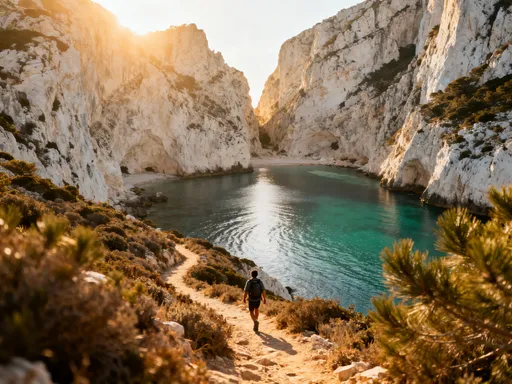
Stretching from Marseille’s southern edge to the village of Cassis, Calanques National Park is one of France’s most breathtaking natural treasures. Established in 2012, it holds the distinction of being the country’s only national park centered entirely on a coastal landscape. The park encompasses a series of dramatic limestone inlets—known as calanques—carved over millennia by wind, water, and geological shifts. These narrow, fjord-like valleys plunge from white cliffs into crystal-clear waters, creating a scenery so striking it feels almost otherworldly.
Among the most renowned calanques are Calanque de Sormiou, Calanque d’En-Vau, and Calanque de Port-Miou. Each offers a different experience, from the amphitheater-like grandeur of En-Vau to the more accessible charm of Port-Miou. These inlets are flanked by steep cliffs and sparse vegetation, home to rare plant species and nesting seabirds. The water, shielded from open sea currents, remains calm and clear, making it ideal for swimming and snorkeling. On sunny days, the contrast between the white rock and the vivid blue sea is nothing short of magical.
The park is a haven for outdoor enthusiasts. Hikers are drawn to its network of trails, which range from moderate coastal walks to challenging ascents that test even experienced trekkers. Kayakers paddle silently through the inlets, discovering hidden caves and secluded beaches only reachable by water. Photographers capture the interplay of light and shadow as the sun moves across the cliffs. Yet despite its growing popularity, the park remains relatively uncrowded compared to other Mediterranean hotspots, especially when visited outside peak midday hours.
To protect this fragile environment, access is carefully managed. During the summer months, particularly in periods of high fire risk, certain trails and areas may be temporarily closed. Park authorities enforce strict rules to minimize human impact, including bans on camping, open fires, and drones. These measures ensure that the calanques retain their pristine character for future generations. For visitors, this means planning ahead is essential—but the rewards of a well-prepared visit are immeasurable.
How to Hike the Calanques Safely and Responsibly
Hiking in the Calanques is a rewarding experience, but it demands respect for the environment and careful preparation. The terrain is rugged and often exposed, with little shade and uneven paths that can become slippery after rain. Trails vary in difficulty: some, like the route to Calanque de Sugiton, are suitable for moderately fit hikers, while others, such as the ascent to En-Vau, require strong endurance and sure footing. Regardless of the path you choose, wearing sturdy hiking shoes with good grip is non-negotiable.
One of the biggest challenges is the Mediterranean heat. Summer temperatures frequently exceed 35°C (95°F), and with minimal tree cover, hikers are fully exposed to the sun. To stay safe, begin your hike early—ideally before 7 a.m.—to avoid the midday heat. Carry at least two liters of water per person, and consider bringing electrolyte supplements, especially on longer treks. Wear lightweight, breathable clothing, a wide-brimmed hat, and UV-protective sunglasses. Sunscreen is essential, but reapply often, particularly if you plan to swim during your hike.
Equally important is respecting the park’s ecological sensitivity. The calanques are home to fragile plant life, including protected species like sea fennel, rock samphire, and the rare Marseille trident. Straying from marked trails can cause soil erosion and damage these delicate ecosystems. Always stay on designated paths, and never pick plants or disturb wildlife. Dogs, while allowed on some trails, must be kept on a leash to prevent them from chasing birds or trampling vegetation.
Planning is key to a safe and enjoyable hike. Check the official Calanques National Park website or visitor center for up-to-date trail conditions and fire risk alerts. During high-risk periods, certain routes may be closed entirely. Let someone know your itinerary, and avoid hiking alone, especially on remote trails. Finally, pack out all trash—there are no trash bins along the trails, so bring a small bag to carry your waste back to the city. By following these guidelines, you help preserve this extraordinary landscape while ensuring your own safety.
Secret Beaches and Hidden Coves Beyond the Crowds
While some calanques attract day-trippers and tour groups, many remain blissfully quiet, offering solitude and serenity to those willing to venture a little further. Calanque de Morgiou, tucked away in a secluded bay, is one such gem. Accessible by a moderate hike or a short boat ride, it features a small pebble beach framed by towering cliffs. The water is exceptionally clear, perfect for snorkeling among underwater rocks and marine life. Because it lacks direct road access, it avoids the congestion seen at more popular spots.
Another hidden favorite is Calanque de Sugiton, often described as the most photogenic of the central calanques. Surrounded by white limestone walls and dotted with Aleppo pines, it feels like a natural amphitheater opening to the sea. At sunrise or late in the afternoon, the light casts a golden glow across the water, creating a peaceful atmosphere. Although it has gained some fame, arriving early or visiting on a weekday keeps the crowds at bay. Just a short climb above the cove leads to panoramic viewpoints that few bother to explore.
For those seeking even greater seclusion, Calanque de Port-Pin and Calanque de l’Œil are worth the effort. Located deeper within the park, these spots require longer hikes but reward visitors with near-total privacy. Port-Pin, in particular, is a favorite among local families who come to swim and picnic in shaded areas near the water. The lack of facilities enhances the sense of adventure—there are no cafes or rental stands, just nature in its purest form.
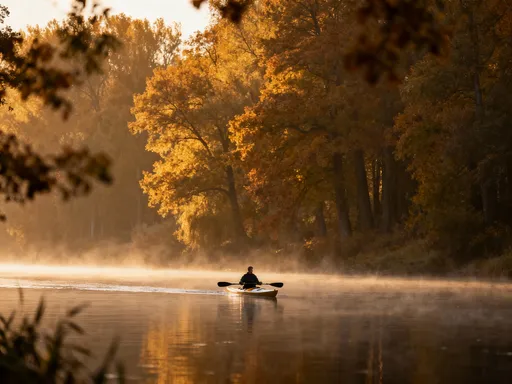
Exploring these coves by kayak adds another dimension to the experience. Small operators near Callelongue and Luminy offer kayak rentals and guided tours, allowing visitors to approach the calanques from the sea. Paddling through narrow inlets, discovering sea caves, and swimming in untouched waters creates a deeper connection to the coastline. Kayaking also reduces foot traffic on sensitive trails, making it an eco-friendly alternative for nature lovers. Whether on foot or by water, these hidden beaches offer a chance to slow down and truly absorb the beauty of Marseille’s wild shores.
Exploring the Hills: Notre-Dame de la Garde and Beyond
Rising prominently above Marseille’s skyline, Notre-Dame de la Garde is more than a religious landmark—it’s a gateway to some of the city’s most accessible natural beauty. The basilica, perched on a 162-meter hill, draws thousands of visitors each year, but many leave without exploring the surrounding trails and green spaces. Behind the monument, a network of footpaths winds through Mediterranean scrubland, offering quieter walks with equally stunning views. This area, part of the larger Parc des Crêtes, serves as a green lung for the city, rich in biodiversity and natural charm.
The hilltop provides one of the best panoramic viewpoints in Marseille. On clear days, you can see the entire bay, the Frioul Islands, and the distant silhouette of the Sainte-Victoire mountain. Sunrise is an especially magical time to visit—fewer crowds, soft light, and a sense of calm that contrasts with the city’s usual energy. As the sun rises, the sea shifts from deep indigo to shimmering silver, and the city slowly comes to life below.
Beyond the basilica, the trails lead into a landscape of wild herbs, cypress trees, and rocky outcrops. The scent of rosemary and thyme fills the air, and the sound of cicadas creates a soothing summer soundtrack. Birdwatchers may spot kestrels hovering above the hills or black-eared wheatears flitting between rocks. These paths are well-maintained and relatively easy, making them ideal for families or those looking for a gentle nature escape without venturing far from the city center.
Parc des Crêtes extends beyond Notre-Dame de la Garde, connecting to other green corridors that crisscross the southern part of Marseille. These spaces are vital for urban well-being, offering residents a place to walk, meditate, or simply breathe fresh air. For visitors, they represent an often-overlooked aspect of Marseille’s appeal—a city that doesn’t just coexist with nature but embraces it as part of everyday life. A walk here is not just a scenic outing; it’s a glimpse into the soul of Marseille.
Getting There: Transport Tips for Nature Lovers
Reaching Marseille’s natural gems is easier than many expect, thanks to a combination of public transit, cycling options, and local tour services. The city’s bus network includes lines 21 and 22, which run from the city center to key trailheads like Callelongue and the entrance to Parc National des Calanques near Luminy. While service is reliable on weekdays, weekend and holiday schedules are reduced, so checking timetables in advance is crucial. Buses typically start running around 7 a.m., making early departures feasible for those aiming to beat the heat and crowds.
For greater flexibility, renting a bicycle is an excellent option. Marseille has expanded its network of bike lanes, and several rental shops offer hybrid and mountain bikes suitable for both city streets and light trails. Cycling to trailheads like Callelongue or the base of Notre-Dame de la Garde allows you to travel at your own pace and carry more gear comfortably. Some visitors combine biking with public transit, taking a bus with their bike to a starting point and then cycling the final stretch.
Another scenic way to access the calanques is by boat. Small tour operators and private captains offer guided kayak excursions or small-group boat trips from the Vieux-Port. These tours typically last half a day and include stops at calanques like Sormiou or Morgiou, where you can swim, snorkel, or simply relax on deck. Boat access is especially helpful for those who prefer to avoid strenuous hikes but still want to experience the beauty of the coastline. Many tours also provide insightful commentary on the geology, flora, and history of the area.
If driving, be aware that parking near trailheads is extremely limited and fills up quickly, especially on weekends. Arriving before 8 a.m. significantly increases your chances of finding a spot. Always lock your vehicle and avoid leaving valuables inside. For longer hikes, pack light but include essentials: water, snacks, a first-aid kit, a map or offline GPS, and a fully charged phone. While mobile coverage is generally good near the city, it can be spotty in deeper coves and valleys. Planning your return route is just as important—last buses often depart by 6 p.m., so time management is key to a smooth trip.
Final Thoughts: Why Nature in Marseille Feels So Alive
What sets Marseille apart from other coastal cities is the seamless way it blends urban energy with wild natural beauty. You can sip coffee at a neighborhood café, browse a lively market, and within half an hour, find yourself standing on a cliffside trail with nothing but the wind and the sea below. This proximity to nature isn’t accidental—it’s a defining feature of life in Marseille. For locals, these landscapes are not weekend destinations but integral parts of their daily rhythm, places for reflection, recreation, and renewal.
The natural areas around Marseille feel alive because they are deeply respected and carefully preserved. From the protected status of the Calanques National Park to community efforts to maintain trails and reduce waste, there is a shared understanding that these spaces are precious. Visitors who come with curiosity and care become part of this stewardship. By staying on paths, packing out trash, and respecting local rules, every traveler contributes to the longevity of these landscapes.
There’s also an emotional quality to these places—an intangible sense of freedom and clarity that comes from being surrounded by raw, unfiltered nature. Whether you’re floating in a quiet cove, hiking through sunlit garrigue, or watching the sunset from a hilltop, the experience stays with you. It’s not just about the views, though they are unforgettable. It’s about reconnecting with a simpler, slower pace of life, one that reminds us of the beauty in stillness and the power of the natural world.
So if you’re planning a trip to Marseille, don’t limit yourself to the city’s famous landmarks. Step beyond the streets, lace up your walking shoes, and let the wild coastline and sun-drenched hills surprise you. Bring water, bring curiosity, and leave only footprints. In doing so, you’ll discover not just the hidden gems of Marseille, but a deeper sense of peace and wonder that only nature can provide. You won’t just see these places—you’ll feel them. And that’s a journey worth taking.