Lost in the Heart of Antigua’s Markets? You’re Not Alone—Here’s How to Thrive
Stepping into Antigua, Guatemala, feels like walking into a living postcard—colorful buildings, cobblestone streets, and the constant hum of market life. But beyond the charm lies a maze of commercial energy that can overwhelm even seasoned travelers. This guide cuts through the noise, showing you exactly where to go, what to buy, and how to connect with the real heartbeat of the city—its vibrant commercial districts. Far more than just places to shop, these spaces pulse with history, culture, and community. With thoughtful navigation and respectful engagement, your experience can transform from simple tourism into meaningful connection.
Why Antigua’s Commercial Areas Are More Than Just Shopping Spots
At first glance, Antigua’s markets and commercial streets may appear as colorful backdrops for photographs or convenient stops for souvenirs. Yet beneath this surface lies a deeper truth: these spaces are living archives of tradition, resilience, and identity. Each stall, storefront, and sidewalk vendor represents generations of craftsmanship, trade, and cultural continuity. The city’s commercial life did not emerge overnight; it evolved from centuries of indigenous enterprise, colonial influence, and post-independence adaptation, creating an economic ecosystem rooted in community rather than mere transaction.
The story begins in the 16th century, when Antigua—then known as Santiago de los Caballeros—became the capital of the Kingdom of Guatemala. As a hub of Spanish administration and Catholic influence, the city developed a structured marketplace where goods from across Mesoamerica were exchanged. Indigenous weavers, potters, and farmers brought their wares to central plazas, establishing patterns of commerce that persist today. Though earthquakes and political shifts eventually led to the capital’s relocation to present-day Guatemala City, Antigua retained its soul through its people and their enduring market traditions.
Modern-day commerce in Antigua reflects both preservation and evolution. In the same way that colonial architecture has been restored with care, traditional trading practices have been revitalized with intention. Local artisans continue to use ancestral techniques in textile weaving, ceramic making, and natural dyeing, passing knowledge from one generation to the next. At the same time, new businesses—especially in coffee, hospitality, and eco-tourism—have found ways to integrate respectfully into this established fabric. The result is a dynamic blend of old and new, where economic activity supports cultural survival.
For visitors, understanding this context transforms the act of shopping into something more profound. When you purchase a handwoven huipil, a carved wooden spoon, or a bag of locally roasted coffee, you are not simply acquiring an object. You are participating in a long-standing cycle of value—one that honors skill, sustains livelihoods, and preserves identity. Recognizing this elevates the traveler’s role from passive observer to active participant in cultural continuity. This shift in perspective is essential for responsible tourism, where every interaction carries the potential for mutual respect and lasting impact.
The Soul of the City: Central Park and Its Surrounding Streets
If Antigua has a beating heart, it is Parque Central—the tree-lined square framed by pastel-colored buildings, historic ruins, and the rhythmic pulse of daily life. Here, commerce flows outward like ripples in water, shaping the character of the surrounding streets. Calle del Arco, 5a Avenida Sur, and the blocks leading toward the San Francisco Church form a natural circuit where tourism, tradition, and everyday Guatemalan life converge. It is not uncommon to see families enjoying an afternoon stroll, vendors offering fresh fruit juice, and travelers sipping coffee at outdoor tables—all within steps of one another.
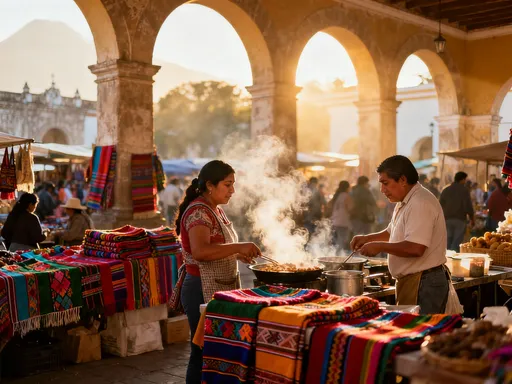
From Parque Central, the sensory experience begins immediately. The air carries the rich aroma of roasted coffee beans mingling with the sweet scent of fried plantains and warm tortillas. Vendors near the fountain sell colorful bags of maracuyá (passion fruit) juice, while others display hand-painted fans, beaded jewelry, and miniature replicas of the city’s famous arch. These offerings are more than trinkets; they reflect the creativity and entrepreneurial spirit of local families who depend on the steady stream of visitors. Many of these vendors have occupied the same spots for years, forming informal networks of support and shared knowledge.
As you walk the perimeter of the park, notice the mix of businesses that line the sidewalks. Small family-run shops sell everything from religious candles to school supplies, while more established storefronts offer guided tours, currency exchange, and luggage storage. Between them, cafés with shaded patios invite guests to pause and observe the rhythm of the city. These spaces serve dual purposes: they are gathering places for locals and essential rest points for travelers navigating the cobblestone streets. The architecture itself adds to the ambiance—arched doorways, wrought-iron grilles, and flower-filled balconies create a sense of timeless elegance.
One of the most rewarding ways to experience this area is to follow a slow, intentional route. Begin at sunrise, when the park is quiet except for street cleaners and early risers walking dogs or jogging. By mid-morning, the energy builds as shopkeepers unlock their doors and set up displays. By early afternoon, the streets are alive with movement—locals running errands, tourists comparing maps, children laughing near the central fountain. Observing these rhythms allows visitors to appreciate not just the beauty of the city, but the lived reality of those who call it home. This awareness fosters deeper connection and more mindful engagement with the commercial landscape.
Mercado de Artesanías: A Treasure Hunt with Purpose
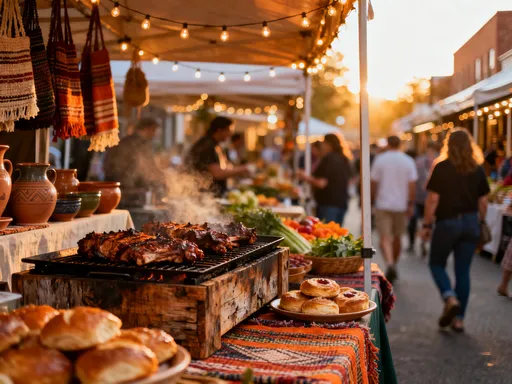
Nestled just a short walk from Parque Central, the Mercado de Artesanías stands as the largest and most vibrant hub for handmade goods in Antigua. Unlike generic souvenir shops, this market is a living workshop where artisans sit behind their creations, often weaving, carving, or stitching as customers browse. To enter is to step into a world of color, texture, and sound—rows of handwoven textiles in bold geometric patterns, shelves lined with painted ceramics, and the soft clinking of metalwork from nearby jewelry stalls. Navigating this space can feel overwhelming at first, but with a few key strategies, it becomes a rewarding journey of discovery.
One of the most important principles for visitors is to approach the market with respect and curiosity. Most vendors are independent artisans or members of cooperatives representing rural communities. Their work is not mass-produced; each piece carries time, skill, and cultural meaning. For example, the traditional Maya traje—especially the women’s huipil—is more than clothing. It is a visual language, with specific patterns, colors, and embroidery techniques identifying the wearer’s hometown, lineage, and spiritual beliefs. When you admire such a garment, asking questions like “Where is this from?” or “What does this pattern mean?” shows genuine interest and often leads to meaningful conversation.
Recognizing authentic craftsmanship is another essential skill. While many items in the market are handmade, some vendors also sell imported goods passed off as local. A few indicators of authenticity include slight imperfections in weaving (a sign of handwork), the use of natural dyes (which produce softer, earth-toned hues), and detailed stitching that follows regional styles. If unsure, look for stalls associated with artisan cooperatives or fair-trade organizations—many display certifications or informational cards explaining their sourcing practices. These details ensure that your purchase directly supports the maker, not a distant factory.
Pricing is another area where mindfulness matters. While it is common for tourists to negotiate, aggressive haggling can undermine the value of skilled labor. Instead of aiming for the lowest possible price, consider asking, “What is a fair price for this?” This opens dialogue and often results in a reasonable offer that respects the artisan’s effort. Remember, many of these individuals rely on daily sales to support their families. A purchase of $15 for a hand-embroidered table runner may represent hours of work and contribute significantly to household income. By shopping ethically, you help sustain not just a craft, but a way of life.
6a Avenida and Beyond: Hidden Commercial Gems Off the Beaten Path
While Parque Central and the main tourist corridors draw the majority of visitors, some of Antigua’s most authentic commercial experiences lie just beyond the well-trodden paths. 6a Avenida Norte and Calle del Arco, in particular, offer quieter, more residential glimpses into how locals live, shop, and connect. These streets are not designed for tourism; they evolved organically to serve neighborhood needs, making them ideal places to witness everyday commerce in its most natural form. Here, the focus shifts from souvenirs to sustenance, from display to daily use.
Early mornings on 6a Avenida reveal a rhythm distinct from the bustling energy of the central market. Local families step out of their homes to buy fresh bread from small panaderías, where golden rolls and sweet pastries emerge from wood-fired ovens. The scent of warm masa fills the air near tamale vendors, while fruit stands overflow with seasonal produce—bright red jocotes, spiky rambutans, and clusters of ripe bananas. These are not photo opportunities; they are essential stops in the daily routine of Antigueños. Observing these moments offers insight into the practical side of market culture, where food security, affordability, and tradition intersect.
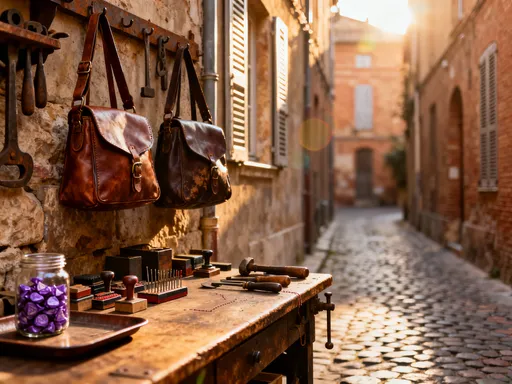
Along these quieter blocks, you’ll also find family-run stores selling household essentials—brooms, soap, candles, and plastic containers—often displayed on simple wooden shelves under corrugated metal roofs. These “tiendas de la esquina” (corner stores) function as neighborhood anchors, where shopkeepers know their customers by name and extend credit during tough times. Some also serve as informal post offices, accepting packages or delivering messages. Their modest appearance belies their importance in maintaining community cohesion and economic resilience.
For travelers seeking unique finds, these areas occasionally reveal hidden gems. Small art galleries tucked into colonial courtyards may showcase paintings by local artists inspired by Mayan cosmology or rural landscapes. Independent tailors offer custom embroidery services, and repair shops keep shoes, electronics, and clothing in use for years—testaments to a culture of care and sustainability. Exploring these spaces requires no special itinerary; simply wander with openness and observe with humility. When you do make a purchase—whether a loaf of bread or a hand-painted mug—you contribute directly to neighborhood economies that thrive on personal relationships and mutual trust.
Café Culture as a Commercial Experience
In recent years, Antigua has become synonymous with specialty coffee, drawing connoisseurs and casual drinkers alike to its growing network of independent cafés. Yet these spaces are more than just purveyors of excellent brews; they are vital nodes in the city’s social and economic ecosystem. From bustling daytime workspaces to quiet evening reading corners, cafés serve as modern-day marketplaces where ideas, connections, and livelihoods are exchanged as freely as cups of coffee. Their rise reflects broader shifts in how commerce functions in a globally connected, locally rooted community.
Many of these cafés source their beans directly from nearby farms in the Antigua Valley, a region renowned for its volcanic soil and ideal microclimate. By partnering with smallholder farmers, roasters support sustainable agriculture and ensure fair compensation for high-quality harvests. This farm-to-cup model not only guarantees freshness but also strengthens rural economies. When visitors choose to buy coffee from these establishments—either to drink on-site or to take home as beans—they participate in a transparent supply chain that values people and place over profit alone.
Inside the cafés, the atmosphere encourages lingering and connection. Wooden tables are often shared by solo travelers typing on laptops, local students studying for exams, and expatriates meeting friends. The hum of conversation blends with the hiss of espresso machines, creating a soundscape of productivity and ease. Free Wi-Fi, reliable electricity, and welcoming staff make these spaces accessible to digital nomads, who in turn contribute to the local economy through extended stays and repeat visits. In this way, a simple café becomes a bridge between global mobility and local sustainability.
Moreover, many cafés incorporate elements of education and cultural exchange. Some offer guided tastings, explaining the differences between washed and honey-processed beans or the significance of altitude in flavor development. Others display information about the farmers they work with, putting faces and stories behind the product. These efforts deepen the customer’s appreciation and reinforce the idea that commerce can be both enjoyable and meaningful. By choosing to spend time and money in independently owned cafés, travelers support a vision of economic development that prioritizes quality, ethics, and community well-being.
Navigating Logistics: Money, Safety, and Timing in Commercial Zones
While Antigua’s commercial areas are welcoming and accessible, a few practical considerations can enhance both comfort and confidence during your visit. One of the most immediate decisions involves payment. Although some larger shops and cafés now accept credit cards, the majority of vendors—especially in markets and small stores—operate on a cash-only basis. It is advisable to carry Guatemalan quetzales in small denominations, as many stalls cannot make change for large bills. ATMs are readily available near Parque Central and along major streets, but it is wise to use those inside banks or reputable hotels to minimize risk.
Timing also plays a crucial role in shaping your experience. The busiest hours in commercial zones typically fall between 10 a.m. and 4 p.m., when tour groups arrive and the midday sun draws people into shaded markets and cafés. For a more relaxed pace, consider visiting early in the morning—between 7 and 9 a.m.—when vendors are setting up and the streets are less crowded. Late afternoons, especially on weekdays, offer another quiet window, ideal for thoughtful browsing and unhurried conversations with artisans.
Safety in Antigua’s commercial areas is generally good, particularly in well-trafficked zones like Parque Central and the main shopping streets. However, as in any popular destination, it is important to remain aware of your surroundings. Keep your bag closed and positioned in front of you, avoid displaying expensive electronics, and stay mindful of pickpocketing in dense crowds. These precautions are not meant to inspire fear, but to promote sensible habits that allow you to engage fully and confidently. Most locals are friendly and accustomed to tourists, often willing to offer directions or recommendations if approached politely.
Another useful tip is to learn a few basic Spanish phrases, even if only to say “¿Cuánto cuesta?” (How much does it cost?) or “Gracias, tiene un lindo día” (Thank you, have a lovely day). Effort to communicate in the local language, however limited, is often met with warmth and appreciation. It signals respect and openness, paving the way for more genuine interactions. Combined with a calm demeanor and a willingness to observe before acting, these small practices help ensure that your presence is welcomed, not intrusive.
How to Leave a Positive Impact—Shop, Connect, Remember
Tourism, at its best, is not just about seeing new places—it is about connecting with people, understanding cultures, and contributing to the well-being of host communities. In Antigua, this begins with how we engage with its commercial life. Every purchase, every conversation, every moment of attention has the potential to support families, preserve traditions, and strengthen local economies. When you choose to buy directly from an artisan, ask about the meaning behind a textile, or spend an extra minute chatting with a café owner, you do more than complete a transaction. You affirm the value of their work and the dignity of their story.
Mindful commerce is not about perfection; it is about intention. It means resisting the urge to treat markets as performance stages for photographs, and instead recognizing them as workplaces where livelihoods are earned. It means understanding that a “bargain” should never come at the expense of someone else’s dignity. It means carrying home not just souvenirs, but lessons in resilience, creativity, and interdependence. These lessons, once internalized, shape how we travel—and how we live—far beyond a single trip.
As you walk the cobblestone streets of Antigua, let curiosity guide you, but let respect lead the way. Pause to listen. Look beyond the surface. Ask questions with sincerity. Let the colors, scents, and rhythms of the market remind you that culture is not static—it is lived, shaped, and sustained every day by the people who call this city home. Your presence, when grounded in awareness and kindness, becomes part of that story.
So go ahead—explore the markets, sip the coffee, admire the textiles, and enjoy the warmth of this remarkable city. But do so with purpose. Shop with care. Connect with openness. Remember with gratitude. In doing so, you do not merely pass through Antigua. You become, in your own small way, a part of its enduring spirit.