You Won’t Believe These Hidden Natural Wonders in Suva, Fiji
If you think Suva is just Fiji’s busy capital with government buildings and markets, think again. Beyond the urban buzz lie breathtaking natural wonders most travelers completely overlook. I was surprised to discover lush rainforest trails, dramatic coastal cliffs, and hidden waterfalls just minutes from the city. This isn’t your typical tourist brochure version of Fiji—this is the raw, untouched side many never get to see. While most visitors head straight to the islands of Nadi or Denarau for sunbathing and snorkeling, few realize that Suva, the nation’s largest city, sits at the edge of an ecological treasure trove shaped by tropical rainfall, volcanic history, and centuries of natural preservation. Here, nature doesn’t retreat in the face of urban life; it thrives alongside it, waiting only for curious eyes to notice.
Reimagining Suva: More Than Just a Capital City
Suva is often described as the administrative and political heart of Fiji, a place of government offices, university campuses, and bustling street markets. While these elements are real, they only tell half the story. Nestled on the southeast coast of Viti Levu, Fiji’s largest island, Suva is uniquely positioned between steep inland hills and the vast expanse of the Pacific Ocean. This geographical setting creates a microclimate known for high humidity and frequent rainfall, conditions that nourish dense tropical vegetation year-round. Unlike other capital cities that have paved over their natural landscapes, Suva has preserved pockets of wilderness within and immediately around its boundaries, making it one of the most ecologically accessible urban centers in the South Pacific.
What sets Suva apart is not just its location but how seamlessly it integrates with the surrounding environment. Just a ten-minute drive from the city center, the sounds of traffic fade into birdsong and rustling leaves. The city’s elevated terrain leads directly into forested slopes and coastal ridges, offering immediate access to hiking, birdwatching, and scenic viewpoints. This coexistence of urban infrastructure and wild nature challenges the common assumption that capital cities must sacrifice green space for development. In Suva, the opposite is true—its natural surroundings are part of its identity, not an afterthought.
For travelers seeking authenticity, this blend offers a rare opportunity. Instead of choosing between city comforts and remote adventure, visitors can enjoy both in a single day. You might begin with a morning coffee in downtown Suva, browse the handicrafts at the Municipal Market, and by afternoon, find yourself standing beneath a waterfall surrounded by untouched rainforest. This duality makes Suva not just a transit point, but a destination in its own right—one that rewards those who look beyond the surface.
The Magic of the Thurston Gardens: Where Nature Meets History
At the heart of Suva lies a green sanctuary that has welcomed visitors for over a century—the Thurston Gardens. Established in 1892 and named after Sir John Bates Thurston, a former governor of Fiji, these botanical gardens are a living museum of tropical flora. Spanning several hectares, the gardens feature winding pathways shaded by towering palms, cycads, and banyan trees with sprawling aerial roots. Ponds filled with water lilies and lotus flowers reflect the surrounding greenery, creating serene, mirror-like surfaces that attract both photographers and quiet contemplatives.
What makes the Thurston Gardens remarkable is not only their beauty but their role in conservation. The site protects numerous native Fijian plant species, including rare orchids, tree ferns, and medicinal plants used in traditional healing practices. Signage throughout the gardens provides educational insights into each species, helping visitors understand the ecological significance of what they’re seeing. The gardens also serve as a habitat for local birds and butterflies, adding movement and life to the tranquil atmosphere. It’s common to hear the calls of the Fiji woodswallow or spot a blue-crested kingfisher darting between branches.
Adjacent to the gardens is the Fiji Museum, which enhances the visitor experience by contextualizing the natural environment within the broader framework of Fijian culture and history. Exhibits include archaeological finds, traditional canoes, and displays on indigenous knowledge systems related to agriculture and forest use. While the museum is worth a visit, many find that the gardens themselves offer a deeper connection—walking among century-old trees, one feels the continuity of life and stewardship that has defined Fijian society for generations. Whether you’re resting on a shaded bench or strolling along the lotus pond, the gardens provide a peaceful pause in the rhythm of travel.
Hiking the Hidden Trails of the Suva Peninsula
For those eager to venture beyond city limits, the Colo-i-Suva Forest Park offers some of the most accessible and rewarding rainforest hikes in the region. Located just 10 kilometers from downtown Suva, this protected area is a favorite among locals but remains under the radar for many international tourists. The park’s name, which translates to “coolness of Suva,” is fitting—the elevation and dense canopy create a noticeably cooler, misty atmosphere, especially in the early morning hours. Trails range from easy, family-friendly walks to more challenging routes that climb into the hills, offering panoramic views of the surrounding valleys.
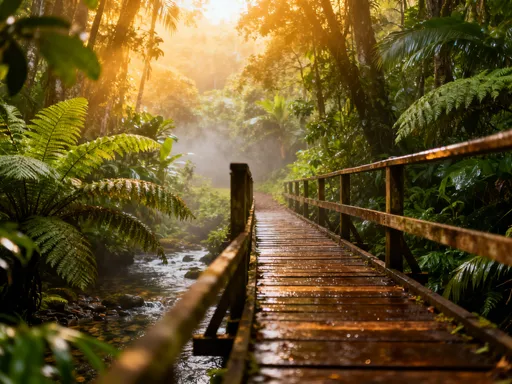
One of the most popular paths leads to the Tavoro Waterfalls, a series of cascades connected by well-maintained wooden bridges and stone steps. As you walk, the air fills with the scent of damp earth and tropical blossoms. Ferns unfurl beside the trail, and streams trickle over smooth rocks, their clarity revealing tiny freshwater fish and shrimp. Birdwatchers may catch sight of the orange dove, one of Fiji’s endemic species, or hear the haunting call of the collared lory echoing through the trees. The park is also home to the Tagimoucia flower, Fiji’s national flower, which blooms in the higher elevations during the cooler months.
Visitors should plan for a half-day excursion, allowing time to rest, take photographs, and absorb the atmosphere. The main trail to the lower falls is about 1.5 kilometers round trip and suitable for most fitness levels. For a longer adventure, the upper falls require a steeper climb but reward hikers with a secluded swimming hole surrounded by moss-covered boulders. It’s not uncommon to have the entire area to yourself, even on weekends. To ensure a safe and enjoyable experience, wear sturdy footwear with good grip, bring water, and apply insect repellent. Rain showers can occur at any time, so a light waterproof jacket is advisable. The park charges a small entrance fee, which supports maintenance and conservation efforts.
Chasing Waterfalls: The Serenity of Waisili and Navala
While Colo-i-Suva is well-known among nature enthusiasts, other waterfalls near Suva remain largely undiscovered by mainstream tourism. Among these are the Waisili and Navala waterfalls, tucked away in the hills east of the city. These sites offer a more rugged and intimate experience, ideal for travelers seeking solitude and unfiltered natural beauty. Waisili Falls, in particular, is a single-drop cascade that plunges over 20 meters into a deep, shaded pool. The surrounding area is thick with jungle growth, and the sound of rushing water creates a meditative backdrop for relaxation or quiet reflection.
Reaching Waisili requires a short but moderately steep hike, often on a path that’s not fully paved. This lack of development is part of its charm—there are no railings, snack stands, or crowds, just the raw presence of nature. The pool at the base is safe for swimming during dry conditions, though visitors should check water levels after recent rains. Navala Falls, slightly smaller but equally picturesque, is nestled in a narrow ravine where ferns and moss blanket every surface. Sunlight filters through the canopy in golden shafts, illuminating the mist rising from the water—a scene that feels almost otherworldly.
Locals occasionally visit these spots for weekend picnics, often bringing fruit, coconut water, and simple meals wrapped in banana leaves. Their presence is gentle and respectful, a model of how to enjoy nature without disrupting it. Travelers are encouraged to follow this example: pack out all trash, avoid loud noises, and refrain from carving names or leaving marks on rocks and trees. The best time to visit is between May and October, during Fiji’s dry season, when trails are less slippery and visibility is clearer. Early morning visits offer the added benefit of cooler temperatures and fewer insects. For those with a sense of adventure, hiring a local guide can enhance the experience, providing insights into plant uses, bird calls, and safe navigation through the terrain.
Coastal Wonders: Cliffs, Tide Pools, and Sunset Views
East of Suva, along the road toward Pacific Harbour and Tamavua, the landscape shifts dramatically from rainforest to rugged coastline. Here, ancient volcanic activity has shaped dramatic cliffs of black basalt, sculpted by centuries of wind and wave action. These formations create natural vantage points with sweeping views of the ocean, where turquoise waters meet deep blue horizons. The area is particularly striking at sunset, when the sky fills with hues of amber, rose, and lavender, casting a warm glow over the rocks and sea.
One of the most captivating features of this coastline is its tide pools—natural basins carved into the rock that fill with seawater during high tide. When the ocean recedes, these pools become miniature ecosystems teeming with marine life. Visitors can observe small crabs scuttling across wet stones, sea anemones clinging to crevices, and colorful reef fish darting through submerged coral fragments. These pools are fragile environments, and while it’s tempting to touch or remove creatures, doing so can disrupt delicate balances. The best approach is to observe quietly and leave everything as found.
Photographers and nature lovers will appreciate the variety of textures and patterns in this area—the striations in the lava rock, the froth of breaking waves, the contrast between dark stone and bright water. Several safe overlooks provide stable footing for extended stays, though caution is always advised near cliff edges, especially during high winds or storms. For a more immersive experience, low tide offers the chance to walk along the exposed reef flats, but sturdy water shoes are essential to protect against sharp rocks and coral. The best lighting for photography occurs in the early morning or late afternoon, when the sun is low and shadows are soft. Weekdays tend to be quieter, allowing for peaceful contemplation of the sea’s rhythm.
Local Wisdom: How Fijians Connect With Their Natural Environment
One of the most profound aspects of visiting Suva’s natural sites is observing how local communities interact with the land and sea. In Fiji, environmental stewardship is not a modern concept imposed by policy—it is a cultural tradition passed down through generations. Many Fijian villages practice sustainable resource management, drawing on ancestral knowledge to maintain balance with nature. This includes rotational farming, seasonal fishing bans to protect breeding cycles, and the protection of forested watersheds that supply clean water to communities.
In and around Suva, these practices are evident in everyday behaviors. Rainwater harvesting is common, with homes and public buildings equipped with tanks to collect runoff from roofs. This reduces reliance on municipal water and prepares households for periods of heavy rain or drought. Coastal communities often designate tabu areas—sections of reef or lagoon where fishing is temporarily prohibited to allow marine populations to recover. These initiatives are community-led and enforced through collective agreement, demonstrating a deep respect for long-term sustainability over short-term gain.
Travelers can learn from this approach by adopting mindful habits during their visit. This means staying on marked trails, avoiding single-use plastics, and supporting local conservation efforts when possible. Some community-based tourism programs offer guided nature walks led by residents who share stories, plant names, and traditional uses of forest resources. These experiences go beyond sightseeing—they foster connection and mutual respect. By listening and learning, visitors contribute to a model of tourism that honors both people and place, ensuring that Suva’s natural wonders remain vibrant for future generations.
Planning Your Visit: Practical Tips for Exploring Suva’s Wild Side
Exploring Suva’s natural attractions is both accessible and rewarding, but a little preparation goes a long way. Transportation options vary: public buses run regularly between Suva and nearby towns, though schedules may be unpredictable for remote trailheads. Taxis are widely available and can be hired for half-day or full-day trips, offering flexibility and local knowledge. For maximum independence, renting a car is ideal, especially for visiting multiple sites in one day. Most roads are paved, but some access routes to waterfalls or coastal areas may be unpaved and bumpy, so a vehicle with higher clearance is recommended.
The best time to visit Suva’s natural sites is during the dry season, from May to October. During these months, rainfall is less frequent, humidity is lower, and trails are safer underfoot. The skies are clearer, enhancing visibility for photography and sightseeing. The wet season, from November to April, brings lush greenery but also the risk of flash floods, muddy paths, and leeches in forested areas. If traveling during this period, check weather forecasts and avoid hiking immediately after heavy rain.
Packing appropriately ensures comfort and safety. Lightweight, quick-drying clothing is ideal, along with a wide-brimmed hat and sunscreen for sun protection. Sturdy walking shoes with good traction are essential for trails, and water shoes are useful for tide pools or waterfall swimming. Bring plenty of drinking water, snacks, and a reusable container to minimize waste. A small first-aid kit, insect repellent, and a waterproof bag for electronics are also wise additions. While most sites do not have facilities, some parks offer basic restrooms and picnic areas.
Finally, remember that many natural areas near Suva are close to village lands. Out of respect, it’s customary to ask permission before entering certain zones, especially if paths lead through community-owned land. This gesture fosters goodwill and supports responsible tourism. Guides are often available through local cooperatives and can enrich the experience with cultural and ecological insights. By combining preparation with respect, travelers can fully embrace the quiet magic of Suva’s hidden landscapes.
Suva’s true magic lies not in postcard-perfect beaches but in its wild, untamed corners where nature thrives unfiltered. These natural wonders offer a deeper, more authentic way to experience Fiji—one that rewards curiosity and respect. By stepping off the beaten path, travelers don’t just see a destination; they feel it. And in a world of crowded resorts, that kind of connection is rare—and worth protecting.