Why Hiking Changed My Health Game — And How It Can Transform Yours
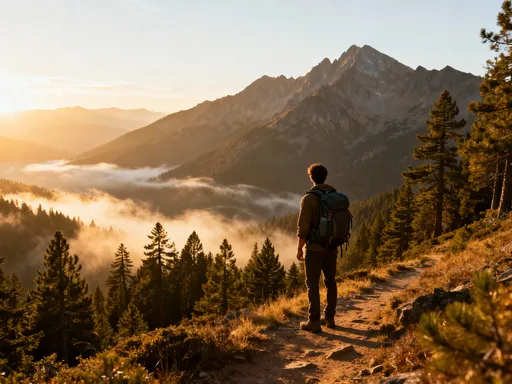
What if the best thing for your health wasn’t a supplement, a strict diet, or a high-tech gym? For me, it was lacing up my boots and hitting the trail. I didn’t expect hiking to reshape my energy, mood, or strength—but it did. It’s not just walking uphill; it’s a full-body reset disguised as adventure. If you’ve ever felt stuck in a fitness rut or overwhelmed by complicated routines, this might be the simple, natural shift you’ve been missing.
The Hidden Struggle: Why Modern Life Wears Us Down
Modern life, for all its conveniences, quietly chips away at our physical and mental resilience. Many women between 30 and 55 find themselves caught in a cycle of constant motion without real movement—rushing between home, work, and family responsibilities while sitting more than ever. Office chairs, car seats, and couches have become the default posture, and the consequences are both visible and invisible. Fatigue, low back pain, stiff joints, and persistent mental fog are no longer occasional complaints; they are everyday realities for millions.
The human body was not designed for prolonged stillness. When physical activity drops, so does circulation, metabolism, and muscle tone. But the toll isn’t only physical. Chronic stress from deadlines, digital overload, and emotional labor elevates cortisol, the so-called “stress hormone,” which, when consistently high, disrupts sleep, weakens immunity, and contributes to weight retention, especially around the midsection. Over time, this combination of inactivity and stress erodes our sense of well-being, making even small challenges feel overwhelming.
Yet, the solution doesn’t have to be complicated. Hiking offers a gentle but powerful counterbalance to the sedentary demands of modern life. Unlike high-intensity workouts that can feel intimidating or unsustainable, hiking meets people where they are. It requires no prior experience, no gym membership, and no special fitness level. A trail, even a short one, becomes a space where the body relearns how to move naturally and the mind begins to unwind. The rhythm of walking, the fresh air, and the change of scenery work together to reset both physiology and psychology in a way few other activities can match.
Hiking Isn’t Just Walking—It’s Smart Movement
At first glance, hiking might seem like little more than walking on uneven ground. But beneath the surface, it engages the body in ways that typical exercise routines often miss. Every step on a natural trail is slightly different—up a root, over a rock, across a slope. This variability forces the body to adapt continuously, activating stabilizing muscles in the ankles, knees, and hips that are rarely used on flat sidewalks or treadmills. This kind of functional movement builds real-world strength and balance, reducing the risk of falls and improving coordination over time.
Unlike the repetitive motions of gym machines, which can lead to overuse injuries and muscle imbalances, hiking provides a more balanced workout. The natural incline of a trail turns each uphill stretch into a low-impact cardiovascular challenge. Gravity becomes resistance, engaging the glutes, hamstrings, and calves without the strain of heavy weights. Descending requires controlled eccentric contractions, which strengthen muscles while improving joint stability. The constant shifts in terrain also recruit the core, as the body works to maintain balance on uneven surfaces. This full-body engagement happens organically, without the need for complex instructions or performance pressure.
Moreover, hiking respects the body’s natural mechanics. The softness of dirt, grass, or forest floor reduces impact on joints compared to concrete or asphalt, making it an ideal activity for those with knee or hip concerns. The pace is self-determined, allowing each person to move according to their energy and ability. There’s no timer, no leaderboard, no comparison. This autonomy is especially valuable for women who may feel disconnected from exercise due to past frustrations or negative experiences. Hiking restores a sense of ease and ownership over movement, making it not just sustainable, but enjoyable.
Mind and Body: The Dual Boost of Being Outdoors
The benefits of hiking extend far beyond physical fitness. One of the most profound effects is on mental well-being. Research consistently shows that spending time in natural environments lowers cortisol levels, reduces symptoms of anxiety, and improves mood. The combination of rhythmic movement and natural scenery creates a meditative state, often referred to as “green exercise,” which calms the nervous system and clears mental clutter. For women managing the emotional weight of caregiving, work stress, or life transitions, this mental reset can be transformative.
Nature has a unique ability to restore attention and reduce mental fatigue. The concept of “soft fascination”—where natural elements like rustling leaves, flowing water, or bird songs gently capture attention without demand—allows the brain to rest and recover from the constant stimulation of screens and schedules. This is particularly important in an age of digital overload, where attention is fragmented and mental energy is depleted by endless notifications and multitasking. A hike offers a rare opportunity to unplug, not just from devices, but from the mental loops of worry and to-do lists.
Whether walked alone or with others, hiking supports emotional balance. Solitude on the trail provides space for reflection, self-connection, and emotional processing. Many women find that the quiet rhythm of walking helps them gain clarity on personal challenges or simply reconnect with themselves beyond their roles as mothers, partners, or professionals. At the same time, shared hikes with friends or family foster meaningful connection without the pressure of conversation. Walking side by side, rather than face to face, can make deep discussions feel easier and more natural. This dual potential—for solitude and connection—makes hiking a uniquely flexible tool for emotional well-being.
Your Heart, Lungs, and Legs: What Actually Improves
From a physiological standpoint, hiking delivers measurable improvements in cardiovascular health. Sustained uphill walking increases heart rate into the aerobic zone, strengthening the heart muscle and improving circulation. Over time, this leads to lower resting heart rate, better blood pressure regulation, and increased stamina. Unlike short bursts of intense exercise, hiking provides a steady, manageable challenge that builds endurance gradually, making it ideal for long-term heart health.
The lungs also benefit from the increased oxygen demand during climbs. Breathing deepens naturally, improving lung capacity and efficiency. This is especially valuable for those who spend hours in climate-controlled environments with recycled air. The clean, often cooler air found in parks, forests, or mountain trails supports respiratory function and can even reduce irritation for those with mild sensitivities. The combination of clean air and rhythmic breathing creates a natural form of respiratory training that supports overall vitality.
Muscularly, hiking targets key areas that support daily function and aging well. The glutes, often underused in sedentary lifestyles, are powerfully engaged with every uphill step. Strong glutes support pelvic stability, reduce lower back strain, and improve posture. The calves work continuously to propel the body forward, while the quadriceps and hamstrings adapt to varying inclines. Even the feet gain strength as they grip uneven terrain, improving foot mechanics and reducing the risk of common issues like plantar fasciitis. Perhaps most importantly, these gains occur without the joint stress associated with running or heavy lifting, making hiking a sustainable choice for lifelong fitness.
No Gear, No Problem: How to Start Without Overthinking
One of the biggest barriers to starting a hiking habit is the belief that it requires expensive gear, special training, or remote wilderness access. In reality, the only essentials are a pair of supportive shoes, water, and a willingness to step outside. Many women delay starting because they think they need backpacks, trekking poles, or technical clothing. While these can enhance comfort on longer hikes, they are not necessary for beginning. A simple pair of walking or trail shoes with good grip and cushioning is enough to start exploring local parks, nature preserves, or urban greenways.
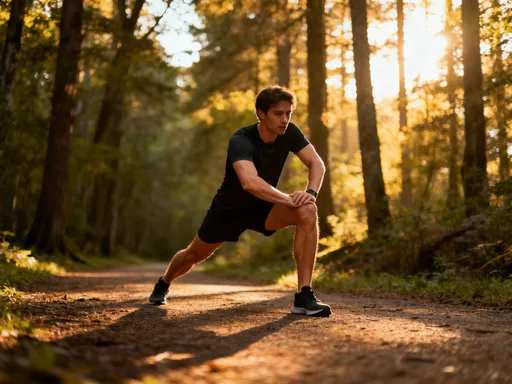
The key is to begin close to home. Most cities and towns have accessible trails—tree-lined paths in public parks, riverside walkways, or botanical gardens with gentle loops. Starting with short hikes of 30 to 45 minutes allows the body to adapt gradually without overexertion. It’s better to finish feeling capable than exhausted. Choosing trails with minimal elevation gain at first builds confidence and reduces the risk of soreness or discouragement. As fitness improves, distance and difficulty can increase naturally, guided by personal comfort rather than external pressure.
Hydration is important, especially on warmer days. Carrying a reusable water bottle ensures that the body stays fueled and prevents dehydration, which can cause fatigue and headaches. Dressing in layers allows for temperature regulation, and a light rain jacket can provide protection from unexpected weather. Beyond these basics, simplicity is the goal. The fewer barriers to entry, the more likely hiking becomes a consistent part of life. The trail is not a test; it’s an invitation. Showing up is the most important step.
Building a Habit That Sticks: From One Hike to a Lifestyle
Turning hiking into a lasting habit requires more than motivation—it requires structure and self-awareness. Setting a realistic goal, such as one hike per week, creates consistency without pressure. Treating it like an appointment—blocking time in the calendar—increases the likelihood of follow-through. Over time, this regularity builds not just physical strength, but mental resilience. The act of showing up, even on tired or busy days, reinforces self-trust and personal commitment.
Progress should be measured in ways that matter personally, not just by distance or speed. Improved energy levels, better sleep, reduced stress, or a greater sense of calm are all valid indicators of success. Some women find it helpful to keep a simple journal, noting how they felt before and after each hike. These reflections can reveal subtle shifts—greater mental clarity, improved mood, or a renewed sense of agency—that might otherwise go unnoticed. This internal tracking fosters a deeper connection to the practice and reinforces its value beyond physical metrics.
To deepen the experience, some incorporate mindfulness into their hikes. This might mean pausing to notice the scent of pine, the sound of wind in the trees, or the warmth of sunlight through leaves. Others use the time for quiet reflection or gratitude practice. These small additions transform hiking from mere exercise into a form of self-care. Over time, the trail becomes not just a place to walk, but a sanctuary—a space where the mind settles, the body moves, and the spirit renews.
Beyond Fitness: Hiking as a Health Mindset
Hiking challenges the common narrative that health must be earned through sacrifice, discomfort, or punishment. Instead, it offers a model of movement that is gentle, inclusive, and life-affirming. It does not require perfection, speed, or comparison. It asks only for presence and willingness. In a culture that often equates wellness with restriction and effort, hiking stands apart as an act of generosity toward oneself—a way to move, breathe, and exist without judgment.
This shift in mindset is perhaps the most lasting benefit. When exercise is framed as connection—to nature, to the body, to the present moment—it becomes sustainable. Women who once saw fitness as a chore may find, through hiking, that movement can be nourishing rather than draining. It becomes less about changing the body and more about honoring it. This perspective fosters long-term well-being, reducing the cycle of starting and stopping, striving and burning out.
Hiking is not a trend. It is a return to something fundamental—a rhythm as old as humanity. It reminds us that health is not found in isolation or extreme measures, but in simple, consistent acts of care. The trail does not demand transformation. It offers the space for it to unfold naturally, one step at a time. By choosing to walk, we choose to listen, to heal, and to remember what it feels like to be truly alive.
Hiking taught me that health isn’t about extremes—it’s about showing up, stepping forward, and trusting the process. Unlike fleeting trends, it builds strength quietly, steadily, and joyfully. This isn’t just a workout; it’s a lifelong practice in resilience, presence, and natural vitality. The trail doesn’t judge. It only asks you to begin.