How I Boosted My Energy with Qigong and Simple Daily Eating Habits
Ever feel drained no matter how much you sleep? I was there—until I tried combining qigong with mindful eating. This isn’t about extreme diets or hours of exercise. It’s about small, consistent shifts that align your body’s energy. After weeks of practice, I noticed better focus, deeper sleep, and steady vitality. Curious how movement and food work together to fuel your life? Let me walk you through what actually worked for me.
The Burnout Breakthrough: Why I Turned to Qigong and Food
For years, I believed I was doing everything right. I ate salads, walked daily, and got seven to eight hours of sleep. Yet, by 3 p.m., I was reaching for coffee, sugar, or both. My energy dipped so predictably it felt like clockwork. I’d drag myself through afternoon meetings, struggle to cook dinner, and often collapse on the couch, too tired to enjoy time with my family. I looked healthy, but inside, I felt hollow—like a car running on fumes.
The turning point came during a routine doctor’s visit. Blood tests showed normal results. My thyroid was fine. No anemia. No underlying disease. “You’re probably just stressed,” my physician said, not unkindly. But “just stressed” didn’t explain the constant fatigue, the bloating after meals, or the brain fog that made me forget simple words mid-sentence. I needed more than reassurance. I needed answers.
That’s when I stumbled upon an article about Traditional Chinese wellness practices—specifically, how energy, or qi (pronounced “chee”), flows through the body and supports every function, from digestion to mood. Unlike Western medicine, which often treats symptoms in isolation, this approach looked at the whole person: body, breath, mind, and daily habits. Most striking was the idea that energy isn’t just about sleep or exercise—it’s deeply tied to how we eat, breathe, and move. That connection sparked my curiosity. Could small, intentional changes in movement and food actually restore my vitality?
Qigong Unpacked: More Than Just Breathing
At first, qigong sounded too gentle to make a real difference. I imagined slow waving of arms and deep breathing—nice, perhaps, but not exactly powerful. What I didn’t realize was that qigong is a 5,000-year-old practice rooted in Traditional Chinese Medicine (TCM), designed to cultivate, balance, and circulate qi throughout the body. It combines gentle physical movements, coordinated breathing, and focused intention to harmonize the body’s internal systems. Unlike high-intensity workouts that deplete energy, qigong builds it.
Each movement in qigong has a purpose. Raising the arms might stimulate lung qi, which governs respiration and immune function. Twisting the torso can support liver qi, involved in detoxification and emotional regulation. Even standing still with proper posture and breath can activate the lower dantian—a key energy center in the abdomen—to ground and recharge the system. These actions aren’t random; they follow the meridian pathways through which qi flows, similar to how nerves and blood vessels carry signals and nutrients.
Scientific research has begun to validate what practitioners have known for centuries. Studies published in journals like Complementary Therapies in Medicine and Journal of Alternative and Complementary Medicine have shown that regular qigong practice can reduce fatigue, improve sleep quality, and enhance mental clarity. One 2013 meta-analysis found that qigong significantly reduced symptoms of chronic fatigue in middle-aged adults. The reason? It helps regulate the autonomic nervous system, shifting the body from “fight-or-flight” mode to “rest-and-digest,” where healing and energy renewal occur.
What surprised me most was how little time it took to feel a difference. I started with just 10 minutes each morning—simple routines like “Lifting the Sky” and “Separating Heaven and Earth.” Within two weeks, I noticed a subtle shift: my breathing felt deeper, my shoulders less tense, and my mind clearer by mid-morning. I wasn’t sweating or breathless, yet I felt more awake than after a 30-minute brisk walk. This wasn’t about burning calories. It was about awakening energy.
The Missing Link: How Diet Fuels Your Qi
As my qigong practice grew, I began paying closer attention to how food affected my energy. I’d always thought of nutrition in terms of calories, protein, and vitamins. But TCM introduced a different framework: food as energy medicine. According to this view, every bite either supports or disrupts the body’s qi. The right foods nourish the spleen and stomach—organs responsible for transforming food into usable energy—while the wrong ones create “sluggish digestion,” leading to fatigue, bloating, and mental fog.
I began to see that many of my “healthy” habits were actually working against me. My morning smoothie, packed with raw spinach, frozen berries, and ice, sounded nutritious. But in TCM, raw and cold foods are considered hard to digest, especially first thing in the morning when digestive fire is low. I was essentially dousing my internal furnace with cold water. No wonder I felt sluggish after breakfast.
Likewise, my habit of eating late dinners—often after 8 p.m.—was taxing my system. TCM teaches that the body’s energy shifts throughout the day, with digestion strongest between 7 a.m. and 9 a.m. and weakest in the evening. Eating heavy or late meals forces the digestive organs to work overtime, robbing energy from rest and repair. Over time, this pattern weakens the spleen qi, leading to what TCM calls “spleen deficiency”—a common root of chronic fatigue.
Processed snacks were another culprit. That granola bar at 4 p.m.? Full of refined sugars and dried fruit, it caused a blood sugar spike followed by a crash. From a TCM perspective, excessive sweet flavors overburden the spleen and generate “dampness”—a buildup of metabolic waste that clouds the mind and slows the body. I wasn’t just eating snacks; I was feeding fatigue.
My Daily Eating Framework: Simple, Not Strict
Instead of jumping into a rigid diet, I adopted a few foundational principles that aligned with qi-nourishing eating. First, I shifted to warm, cooked meals—especially for breakfast. Instead of cold cereal or smoothies, I started eating congee (a rice porridge), oatmeal with cinnamon, or steamed sweet potatoes. These foods are easy to digest and warm the digestive system, helping the spleen and stomach do their job efficiently.
I also began chewing deliberately—a practice known as “mindful chewing.” TCM emphasizes that digestion begins in the mouth, where saliva breaks down food and signals the stomach to prepare. When we eat quickly or on the go, we bypass this crucial step, forcing the stomach to work harder. By taking time to chew each bite 20 to 30 times, I noticed less bloating and more sustained energy after meals.
My plate began to reflect seasonal, whole foods. I focused on whole grains like brown rice and millet, root vegetables like carrots and burdock, and plant-based proteins such as lentils and tofu. These foods are considered “neutral” or “warming” in TCM and support steady energy without overstimulation. I reduced raw salads, icy drinks, and processed foods—all known qi-drainers.
One of the simplest yet most powerful changes was replacing ice water with room-temperature or warm water, especially in the morning. Cold liquids constrict blood vessels and slow digestion, while warm water helps move qi and supports detoxification. I also started drinking herbal teas like ginger or chrysanthemum, which aid digestion and calm the mind. These weren’t extreme restrictions—just thoughtful adjustments that made my body feel lighter and more energized.
Putting It Together: My Morning Routine That Changed Everything
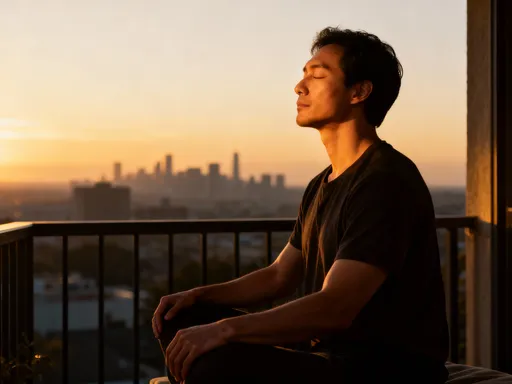
The real transformation happened when I combined qigong and eating into a single morning ritual. I wake up at 6:30 a.m., light a candle, and spend 10 to 15 minutes on a gentle qigong sequence. I begin with deep abdominal breathing, drawing air into my lower belly to activate the dantian. Then I move through a series of flowing motions: arms rising like waves, gentle twists, and slow weight shifts that awaken my joints and circulation.
This practice does more than warm up my body. It signals to my nervous system that the day has begun gently, not with a jolt of caffeine or a rush of emails. My mind settles. My breath deepens. I feel centered. Afterward, I sit down to a warm breakfast—often congee with sliced scallions and a poached egg, or steamed pumpkin with a sprinkle of sesame seeds. I eat slowly, without distractions, focusing on the taste and texture of each bite.
The synergy between movement and food is profound. Qigong stimulates my digestive organs and improves blood flow, priming my body to absorb nutrients. Eating warm, cooked food then fuels the energy I’ve just awakened. By 8 a.m., I feel alert, calm, and ready for the day—without needing coffee. My mental clarity is sharper, my mood more stable, and my physical energy more consistent. This routine takes less than 30 minutes, yet it sets the tone for my entire day.
On weekends, I sometimes add a short walk in nature after breakfast. The combination of gentle movement, sunlight, and mindful eating creates a ripple effect: better digestion, improved focus, and a sense of inner balance that carries into the afternoon. I no longer dread the 3 p.m. slump. Instead, I feel a steady current of energy that supports everything I do.
Common Mistakes (and How I Fixed Mine)
Of course, I didn’t get it right the first time. One of my biggest mistakes was trying to adopt a raw food diet after reading about its “purifying” benefits. I ate salads, juices, and raw vegetables for weeks. At first, I felt lighter. But soon, I was cold all the time, my digestion slowed, and my energy plummeted. I didn’t realize that raw foods, while rich in enzymes, require more digestive effort—especially for those with weak spleen qi. I had unknowingly weakened my core energy.
Another misstep was skipping warm-up movements before eating. I assumed that eating healthy food was enough. But I noticed that even warm meals didn’t sit well if I ate them right after sitting at my desk. When I started doing a few minutes of qigong or even gentle stretching before meals, my digestion improved dramatically. Movement stimulates the digestive fire, making it easier to break down food and absorb nutrients.
I also underestimated the role of emotional stress. During a particularly busy week, I maintained my diet and qigong practice but felt unusually fatigued. It wasn’t until I reflected on my emotional state that I realized I was anxious about a family matter. TCM teaches that emotions directly affect organ function—worry weakens the spleen, anger affects the liver, and fear disrupts the kidneys. Even with perfect food and movement, unmanaged stress can block qi flow. I began incorporating short mindfulness pauses throughout the day, taking three deep breaths before meals or during transitions. These small moments of presence helped me stay aligned.
Sustainable Shifts: Making This Work Long-Term
The most important lesson I’ve learned is that consistency matters more than perfection. I don’t practice qigong every single morning, and I don’t eat perfectly every day. But on the days I do, I feel the difference. Over time, these small habits have built resilience. My body recovers faster from fatigue. I sleep more deeply. I handle stress with greater ease.
I’ve also learned to adapt these practices to modern life. I don’t need a quiet garden or an hour of free time. I practice qigong in my living room, even in pajamas. I prepare simple meals that take 15 minutes or less. I keep a thermos of warm water at my desk. These aren’t grand gestures—they’re practical, sustainable choices that fit into a busy schedule.
What’s changed most is my mindset. I no longer see energy as something to be pushed through or forced. Instead, I see it as a delicate system to be nurtured. When I feel tired, I don’t reach for caffeine. I ask: Did I move today? Did I eat something warm and nourishing? Did I breathe deeply? These questions guide me back to balance.
For other women in their 30s, 40s, and 50s who feel constantly drained, I offer this: you don’t have to do more. You might need to do less—but with more awareness. Gentle movement and mindful eating aren’t trendy fixes. They’re time-tested ways to support your body’s natural rhythm. When you stop fighting fatigue and start feeding vitality, everything changes.
Conclusion
This journey wasn’t about quick fixes but realignment. By blending gentle qigong with thoughtful eating, I reconnected with my body’s natural rhythm. It’s not a cure—it’s a way of living that supports lasting vitality. I no longer measure success by how much I accomplish in a day, but by how I feel in my body and mind. Energy isn’t just the absence of tiredness. It’s the presence of aliveness—the ability to engage fully with life, to listen deeply, to move with ease, and to rest with peace.
If you’re tired of feeling tired, maybe it’s time to stop pushing harder and start nourishing smarter. Small shifts in how you move and eat can awaken energy you didn’t know you had. It doesn’t require drastic changes or expensive supplements. It requires attention, patience, and a willingness to listen to your body. When you do, you may find, as I did, that true vitality isn’t something you chase—it’s something you cultivate, one breath, one bite, at a time.